Extreme weather in the Pyrenees
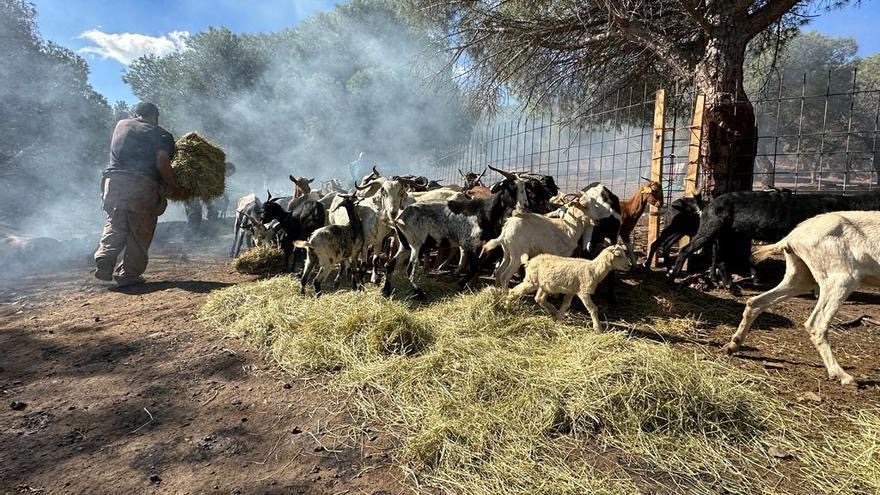
The photo reminds me of a painting by one of the old masters. The scene is Biblical. A shepherd hauls a bale of hay for his flock of terrified goats. Plumes of smoke drift across the land. There is a bush fire close by, and it is getting closer.
The situation was described by the man himself, Antonio Rodríguez, who has been grazing a herd of 150 goats in the high ground between the small towns of Portbou and Colera for more than 20 years. The mountains hereabouts — called L’Albera in Catalan, Les Albères in French — are the easternmost arm of the Pyrenees, as they descend towards the Mediterranean above the Bay of Roses.
‘I’ve had a really bad time of it, but it’s what I had to do . . . save my goats. I was alone in all the danger’ he told the Diari de Girona.
When in the mountains with his flock, Antonio stays in a cabin that stands a mere 400 metres from ground zero of the forest fire that tore through almost 600 hectares of woodland during the fires here earlier this month. To save his flock, Antonio had to spend the night encircled by the advancing flames, high on the mountain.
The Tramuntana, the Empordà wind, began to blow with gusts that exceeded 120 kilometres per hour. ‘There were people who told me to stay, others to leave . . . I thought I’d better stay here with my goats because if I didn’t they would die and I’d feel guilty all night thinking that I let them die. Only a shepherd understands this,’ he said.
I read Antonio’s story and consider its impact within the context of the hundreds of other stories doing the rounds right now, about climate change and our apparent inability or unwillingness to act in the face of impending catastrophe.
A week later, I was caught in a storm from the other end of the weather spectrum: a torrential downpour, hailstones the size of haricot beans, thunder and lighting directly overhead.
I was not careless: it could have happened to anyone. I had set out early, and started my climb from the small town of Queralbs, inland from the Alberas, in the high Pyrenees, around 7.00 a.m. The forecast — which I always check before setting out — suggested there might be ‘light showers’ in the afternoon, but otherwise it would be a warm, clear day. The first four hours of my ascent went calmly enough. At the Coma de Vaca, where there is a mountain refuge, I took up another trail, the so-called Camí del enginyers, which runs along in peaks and troughs at over 2,000 metres, towards the Vall de Nùria.
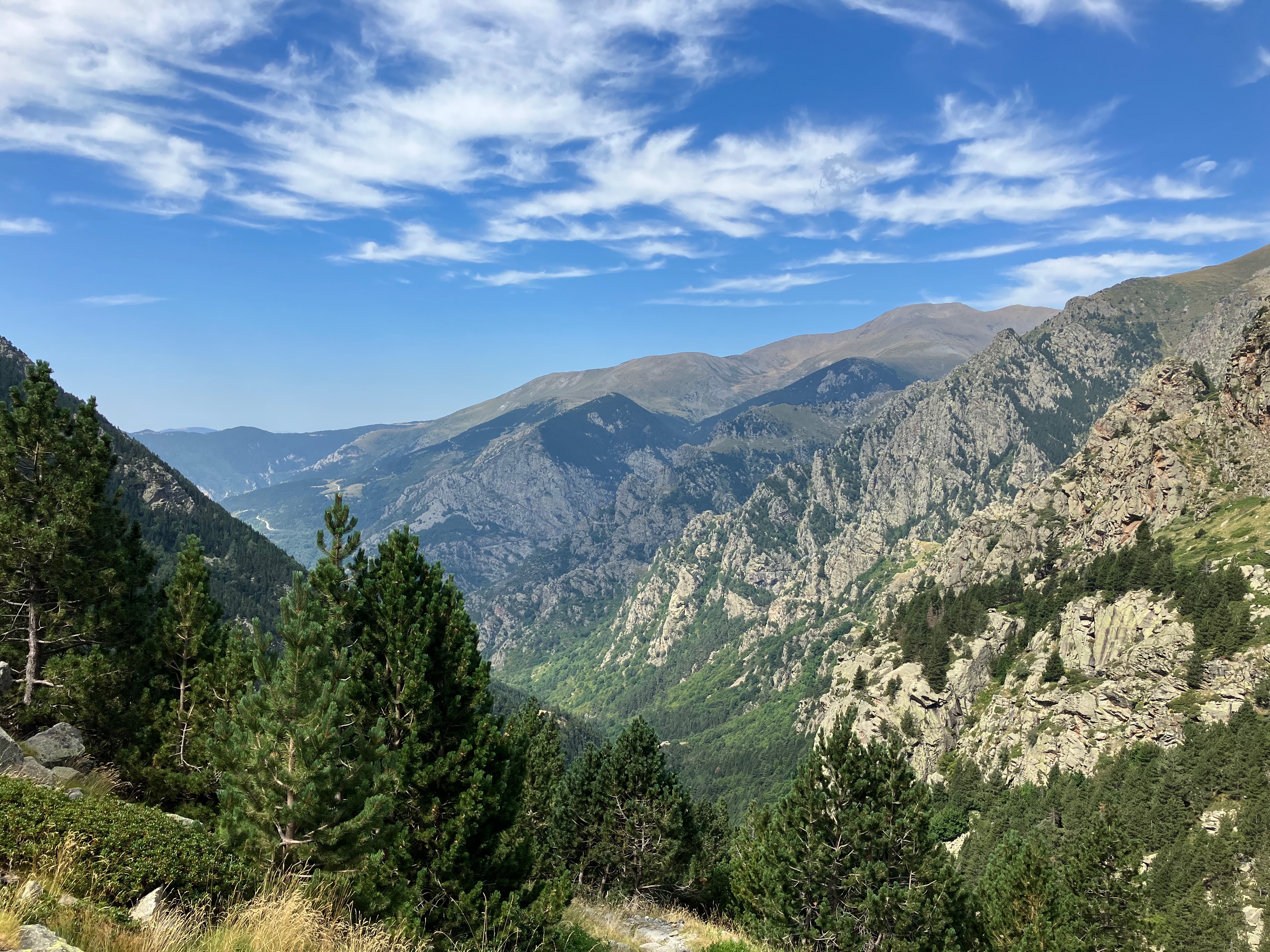
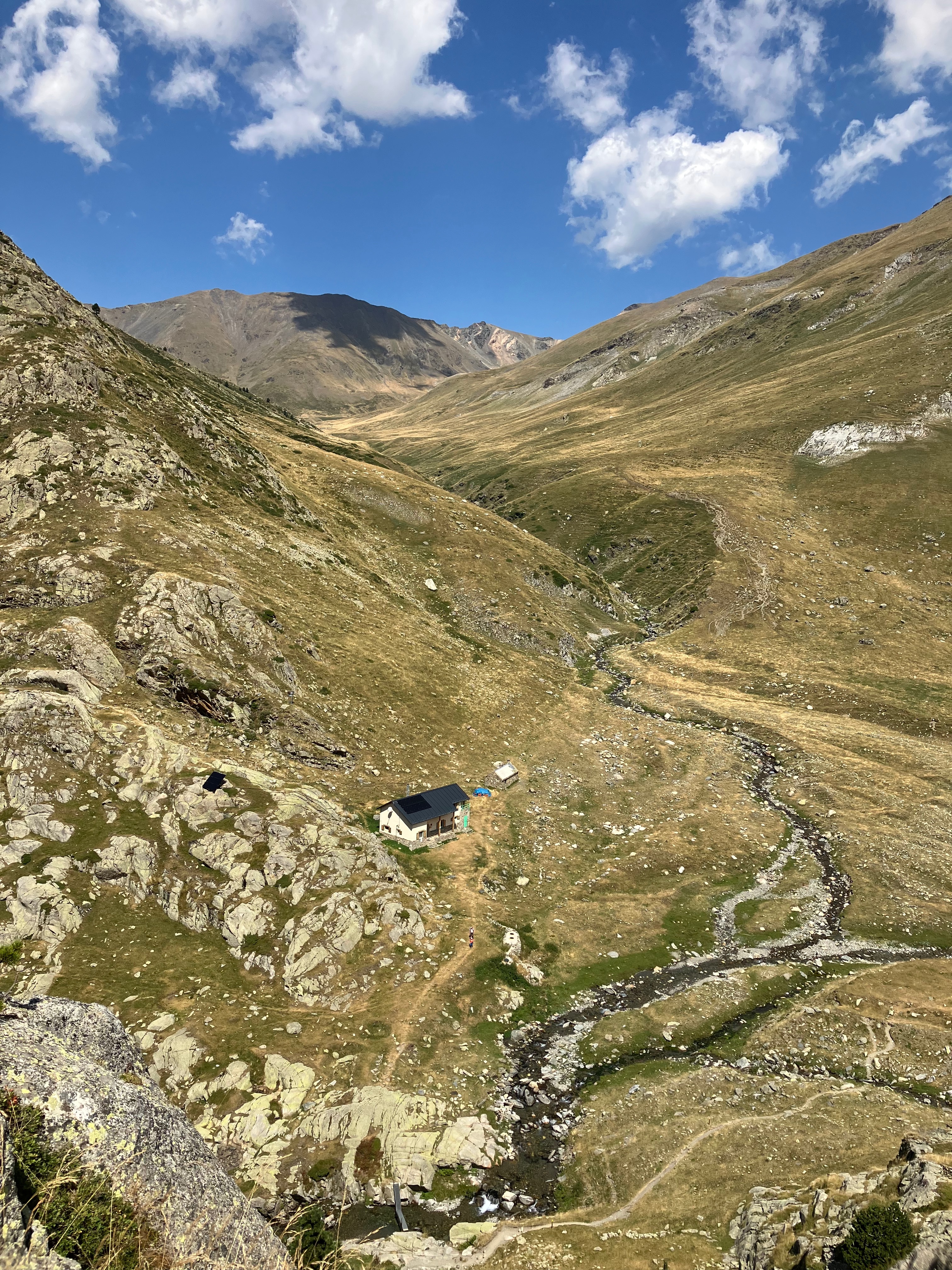
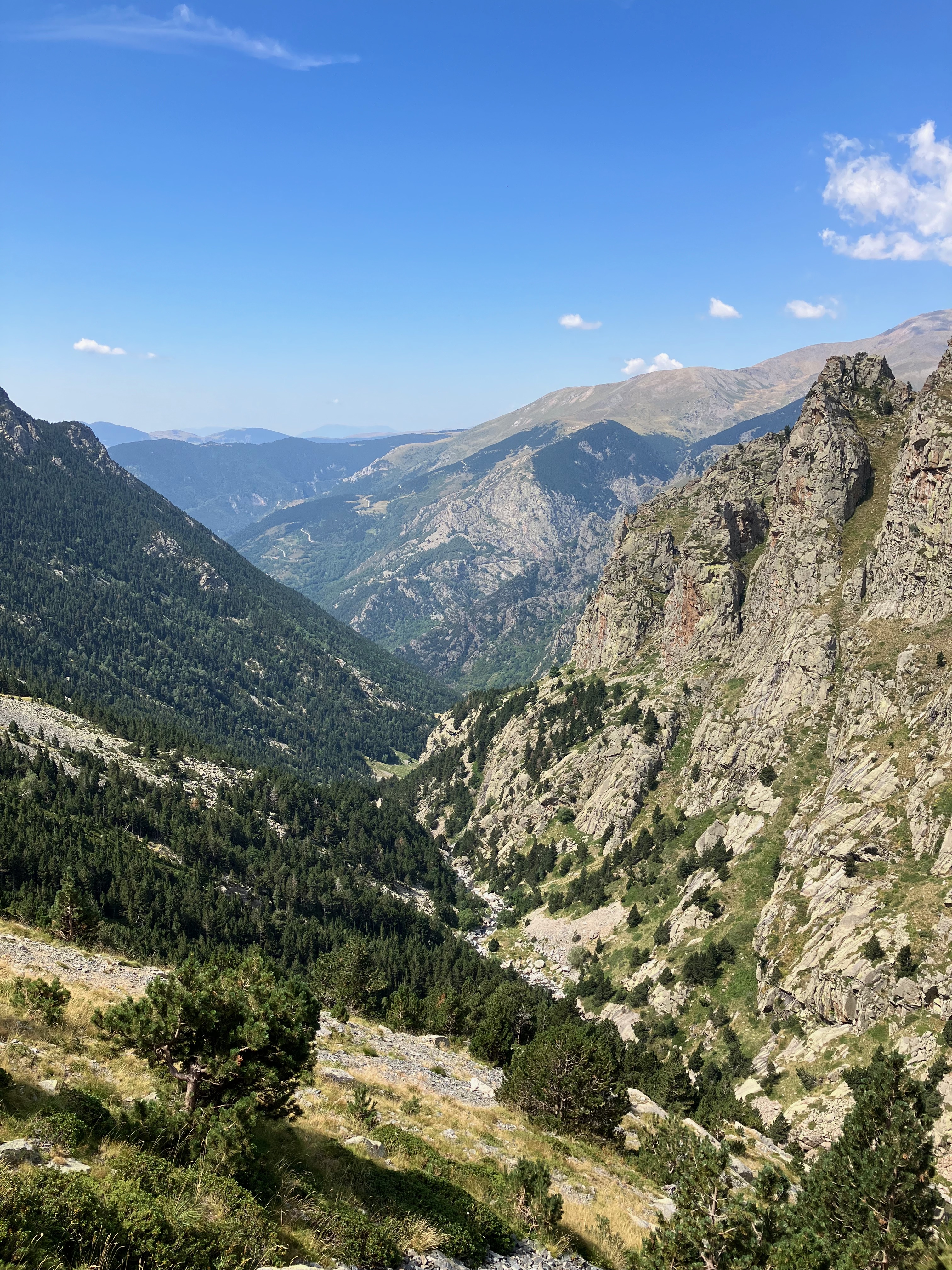
But people die up here. Near to Nùria stands a monument to nine monks who died in a storm way back in the 13th century — and every year someone gets caught out, someone dies on the mountain. I was lucky. At the outbreak, when the heavens opened, and the temperature plummeted by about 25 degrees, and my hands turned blue and the hailstones started pinging onto my bare legs, I found some basic shelter beneath a large rock. A trickle of a stream behind me, from which I had struggled to fill my water bottle a few minutes before, had become, within seconds, a furious torrential flood. Thunder crashed and lightning scorched the air directly overhead. I was wearing shorts and a tee shirt, but fortunately I had a rain jacket with hood in my daypack, which I hastened to pull on.
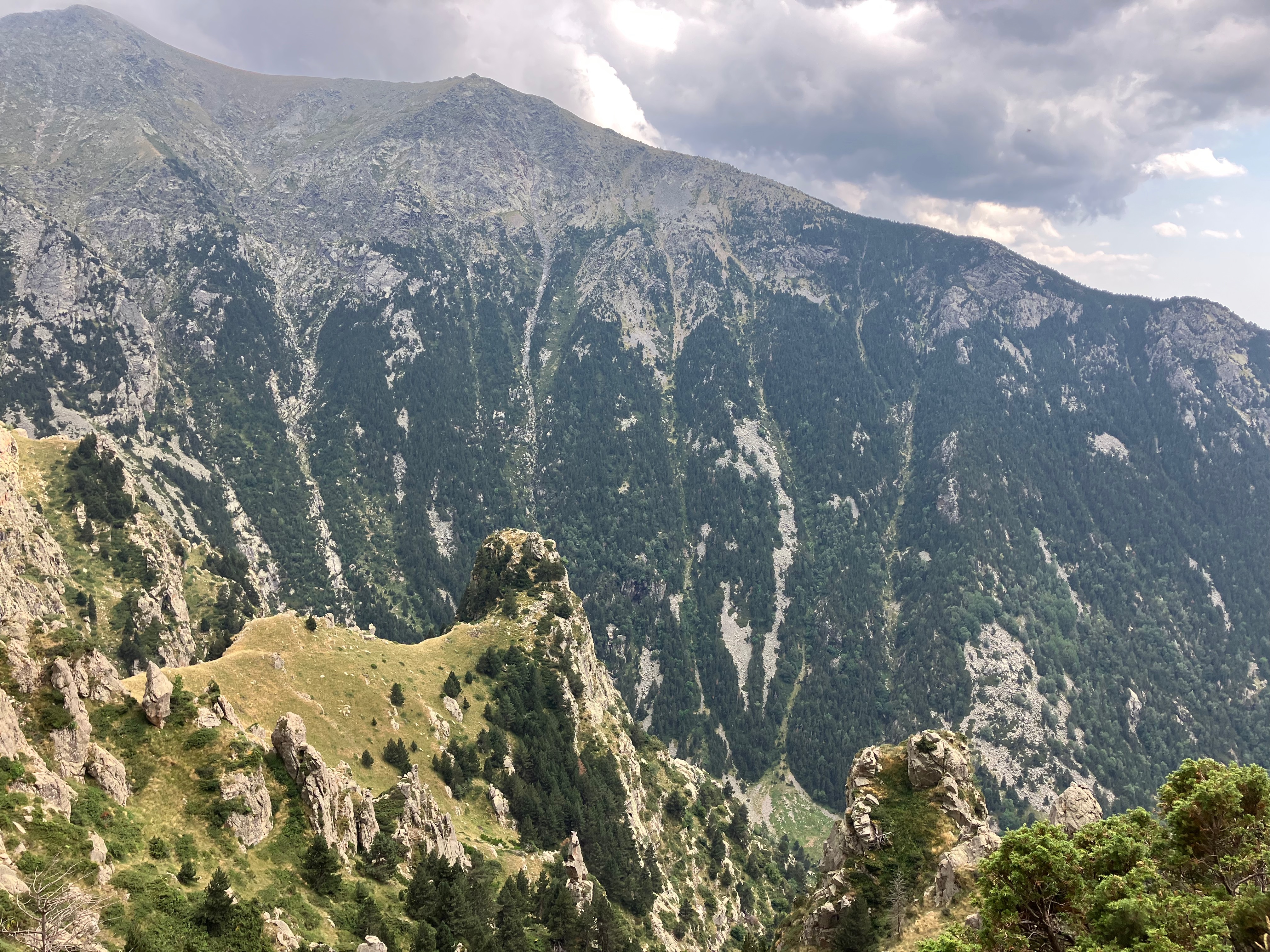
I sat out the worst of the storm by my rock, during which time I felt strangely protected by a power beyond myself — I have no idea why, but the words of an Irish traveller friend from years gone by, Anto Walker, kept running through my head: May the Lord keep you in the palm of his ridiculous hand — and for some reason that helped. When the worst had passed I set off and walked the remaining two hours to Nùria rather quicker than I might otherwise have managed. It continued to rain and hail, by turn and intermittently, all the way there. At Nùria I caught the little train that descends the mountain to Queralbs, where I had left my car. I was soaked through, and cold to the bone. I switched on the car heating full blast and dried out. Driving down the mountain road from Queralbs to Ribes, the next village, I was met by scenes of devastation: trees uprooted by the storm straddled the road; rockfall lay scattered about. The next day the newspapers reported on the ‘freak storm’, and I knew how lucky I had been. But I had left details of my hike with a friend in the village and he had been following the storm’s progress. He sent me a WhatsApp message as I waited it out beneath my rock, which miraculously I received and replied to. He told me later that if I hadn’t messaged him from Nùria he would have sent out for help. But that wasn’t necessary, fortunately. I was lucky.
But people die up there. People die because of fire, and because of storms. They always have done, but these days it all seems to be getting worse, a lot worse.
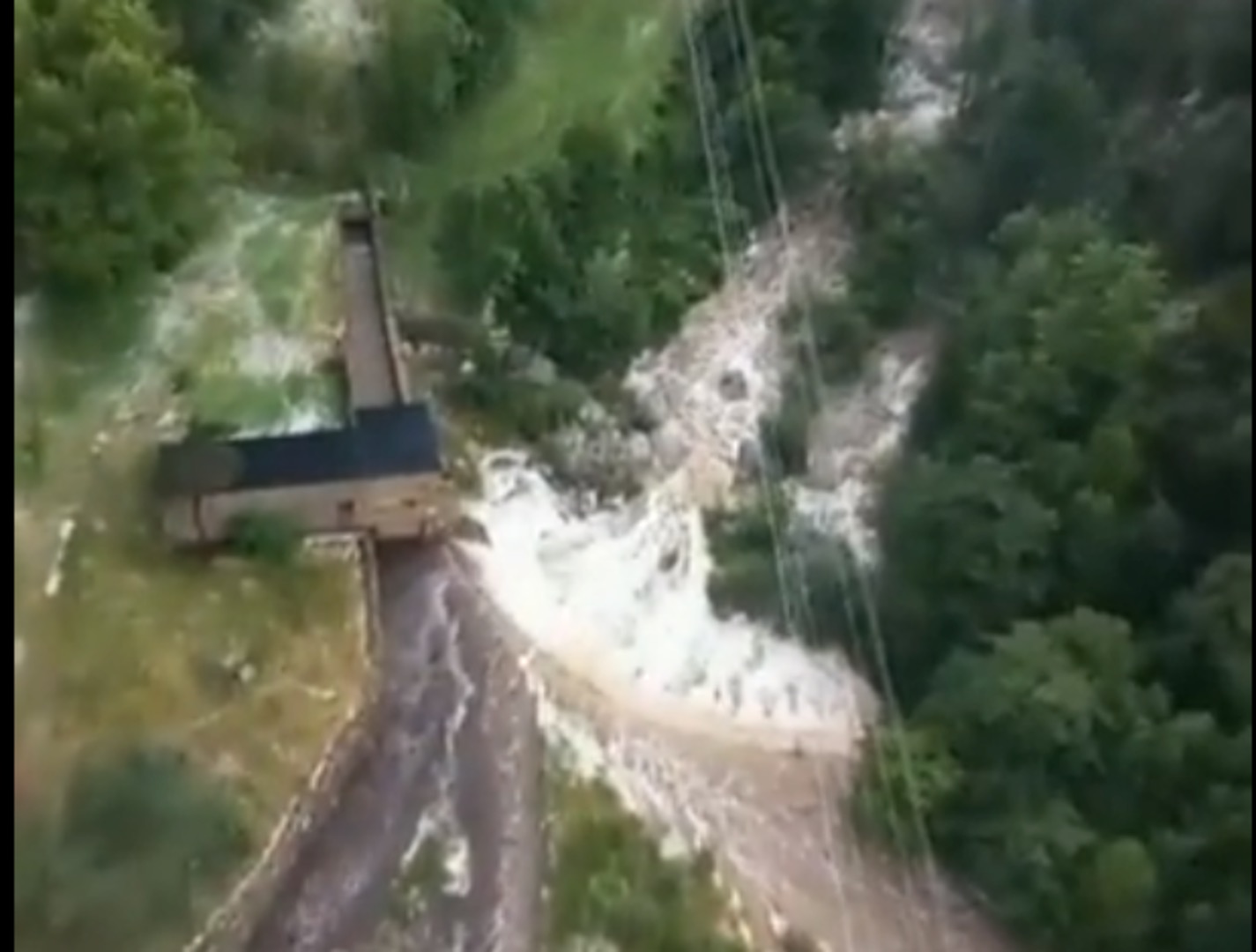
Aftermath of the storm at Queralbs, Redacción NIUS/Europa Press, Girona
12/08/2023 20:59h.
A day in the high Pyrenees
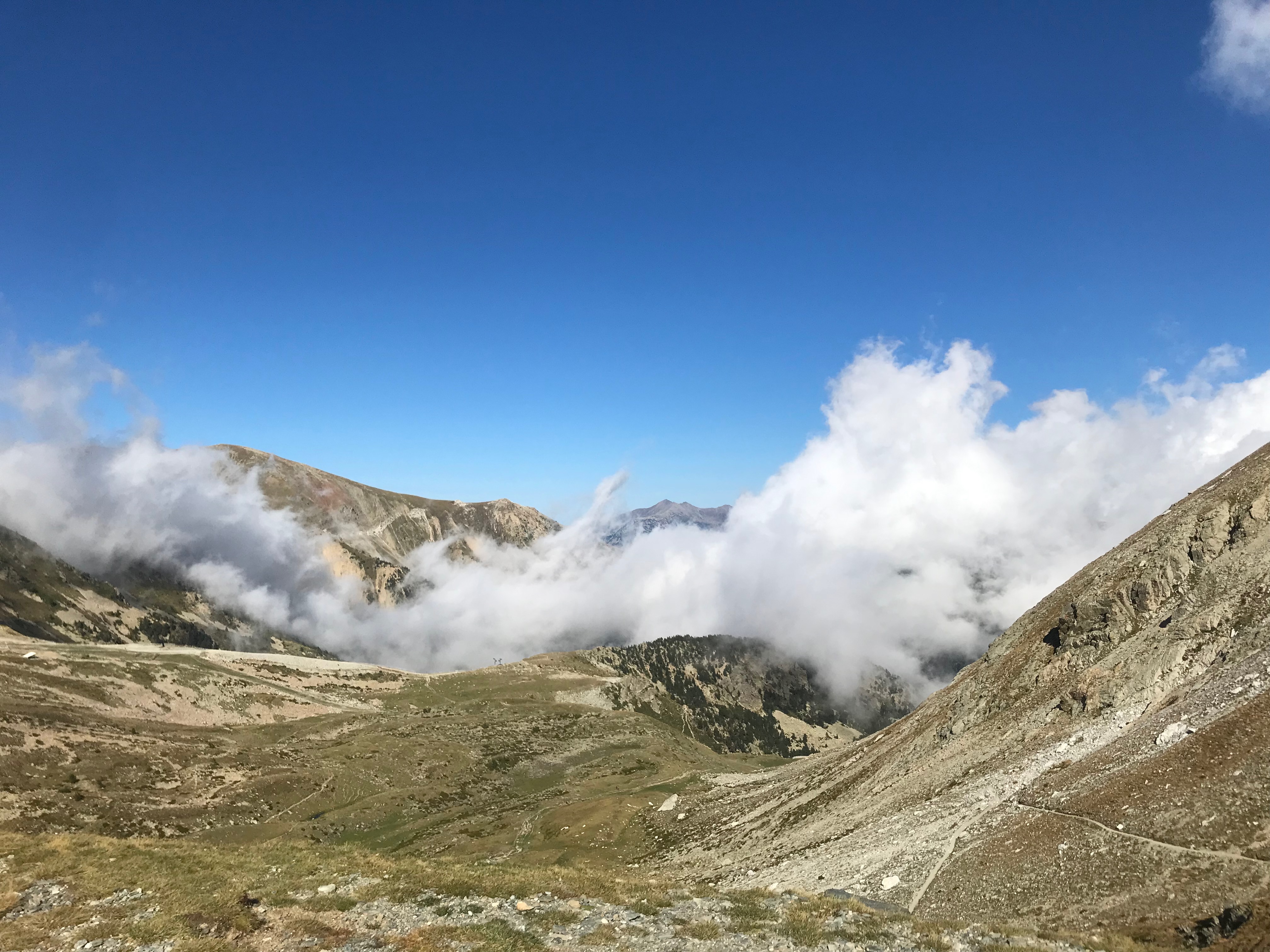
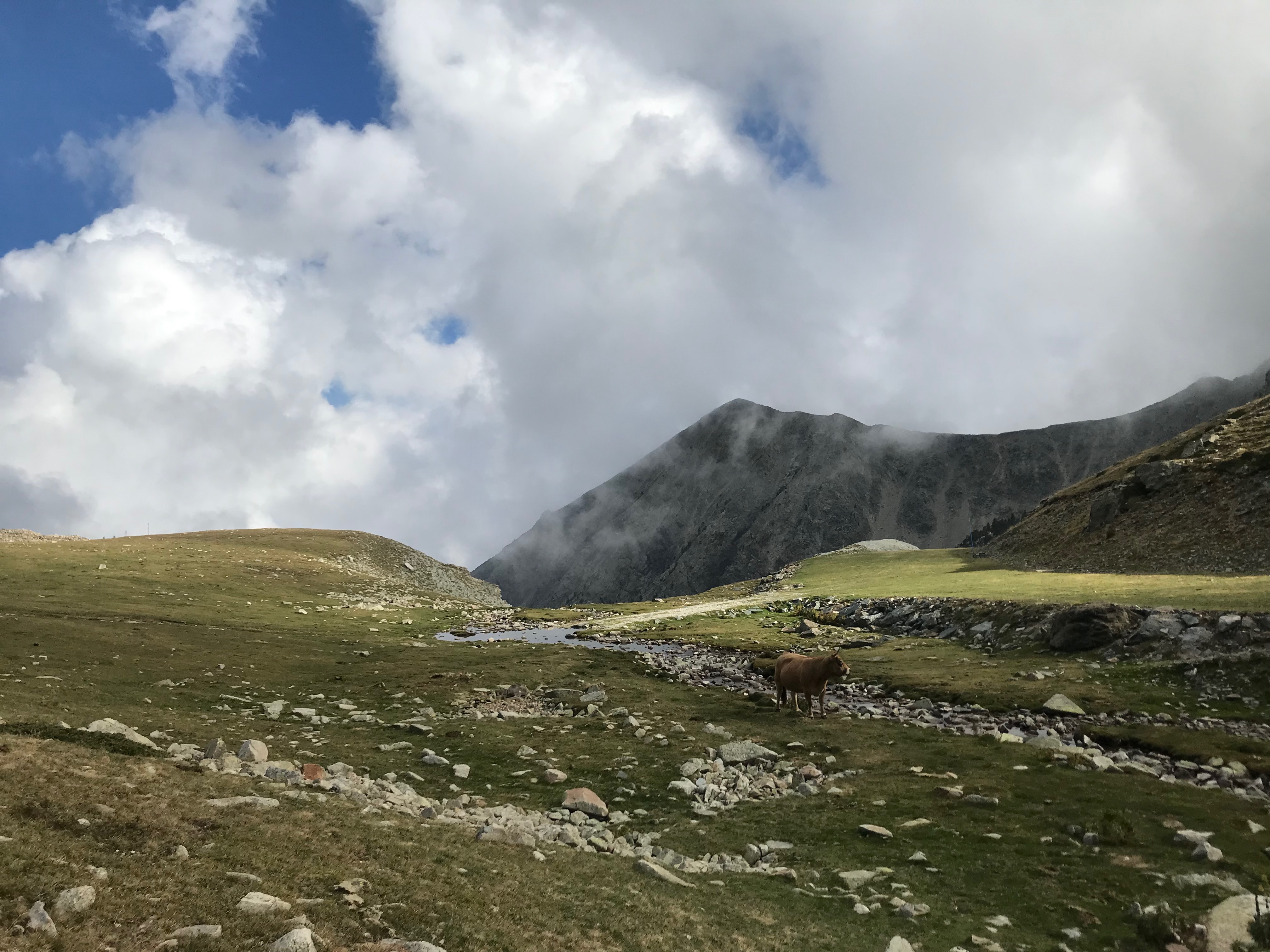
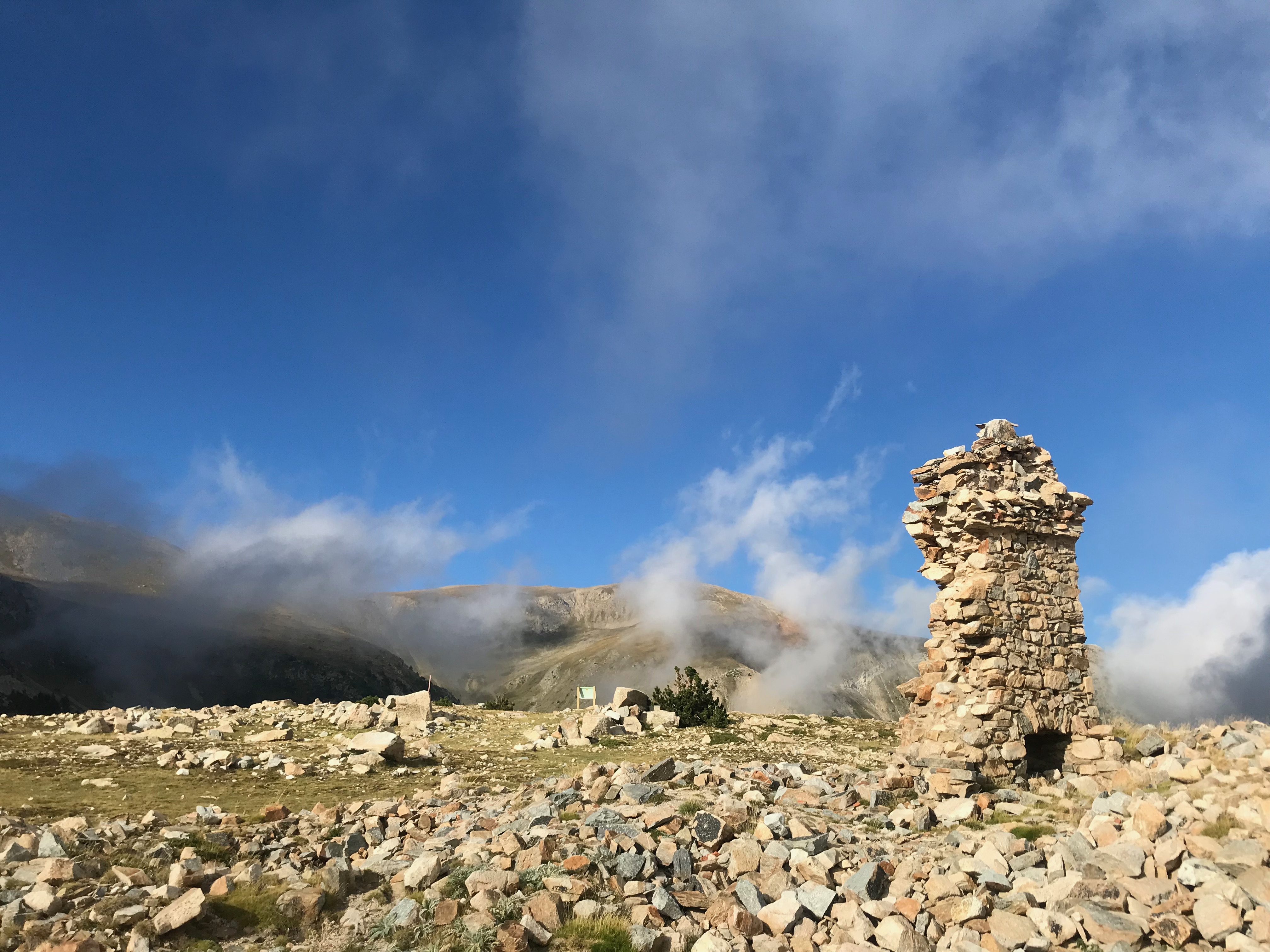
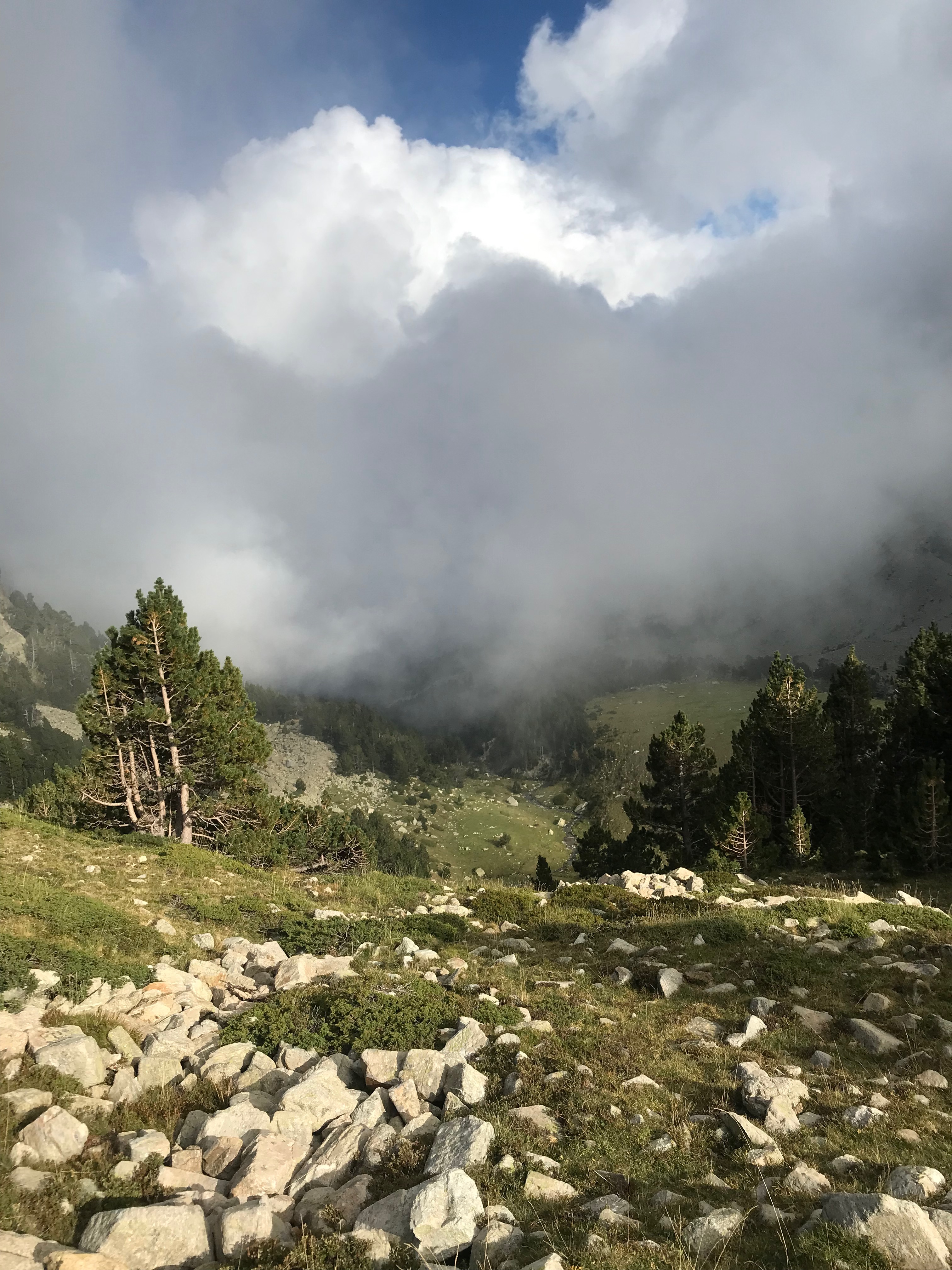
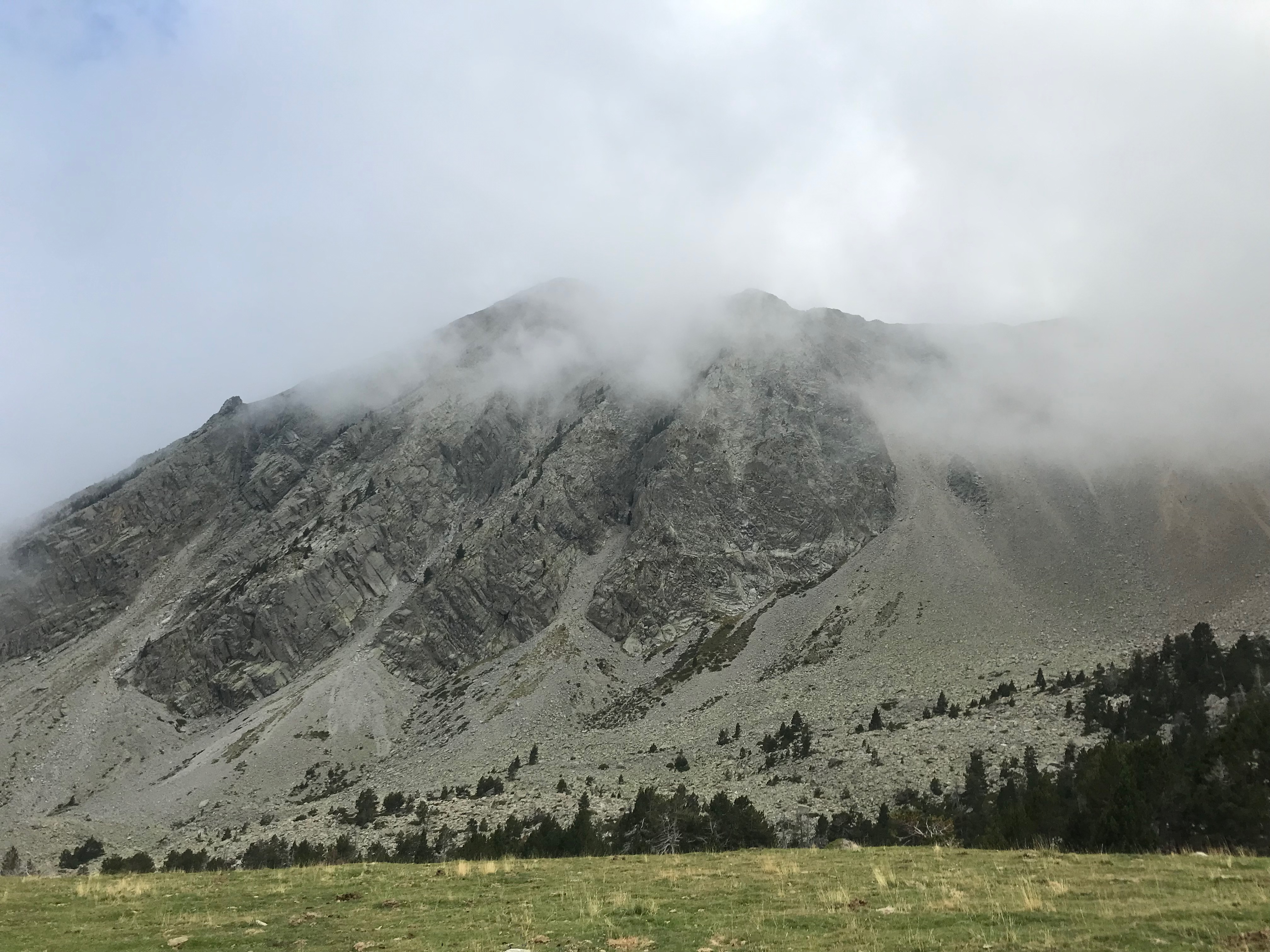
Autumn on its way, the equinox a week off, we head inland, to Setcases, and up towards the great bulk of Gra de Fajol, an angry giant guarding the head of the Ter valley. Ulldeter means Eye of the Ter, meaning its source, contracted sometimes to ‘Vallter’. Memory, or the anxiety provoked by memory, mermeros, washes over me: I have been to his place thrice before, though on one of those occasions, with my dear friend Lluís, the cloud was so dense that we walked like ghosts through the swirling mist, having to stop from time to time to get our bearings, and it was with some relief that we eventually found the track that descends past the refuge, the very track that we are climbing now on a clear September day, and it is the fragile memory of those previous walks that settles on me, but memory is a slippery eel, and which of my past selves is doing the remembering, and how can I tell which of these memories is truly mine? I can only clearly remember the last time, three summers past, on a summer’s evening, Venus rising, snow still visible in the furrows of Gra de Farol Petit, and my pervading memory is of hobbling towards the refuge, where I showered, shivering with sunstroke after an eight hour hike from Queralbs in scorching heat, having seen not a single human animal since leaving Coma de Vaca, but animals yes, a few grazing cattle in the lower folds, and then, resting on an overhanging rock a marmot spied on me, not moving from her perch, and the next time I looked she was gone.
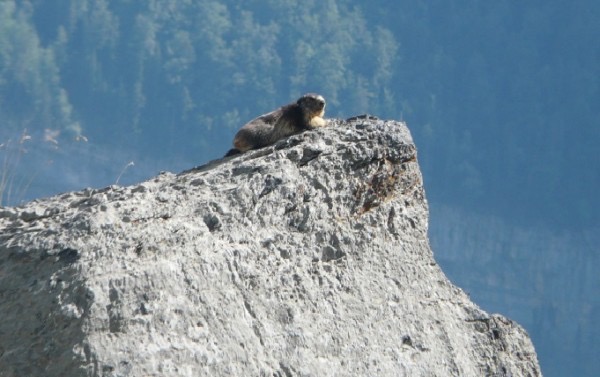
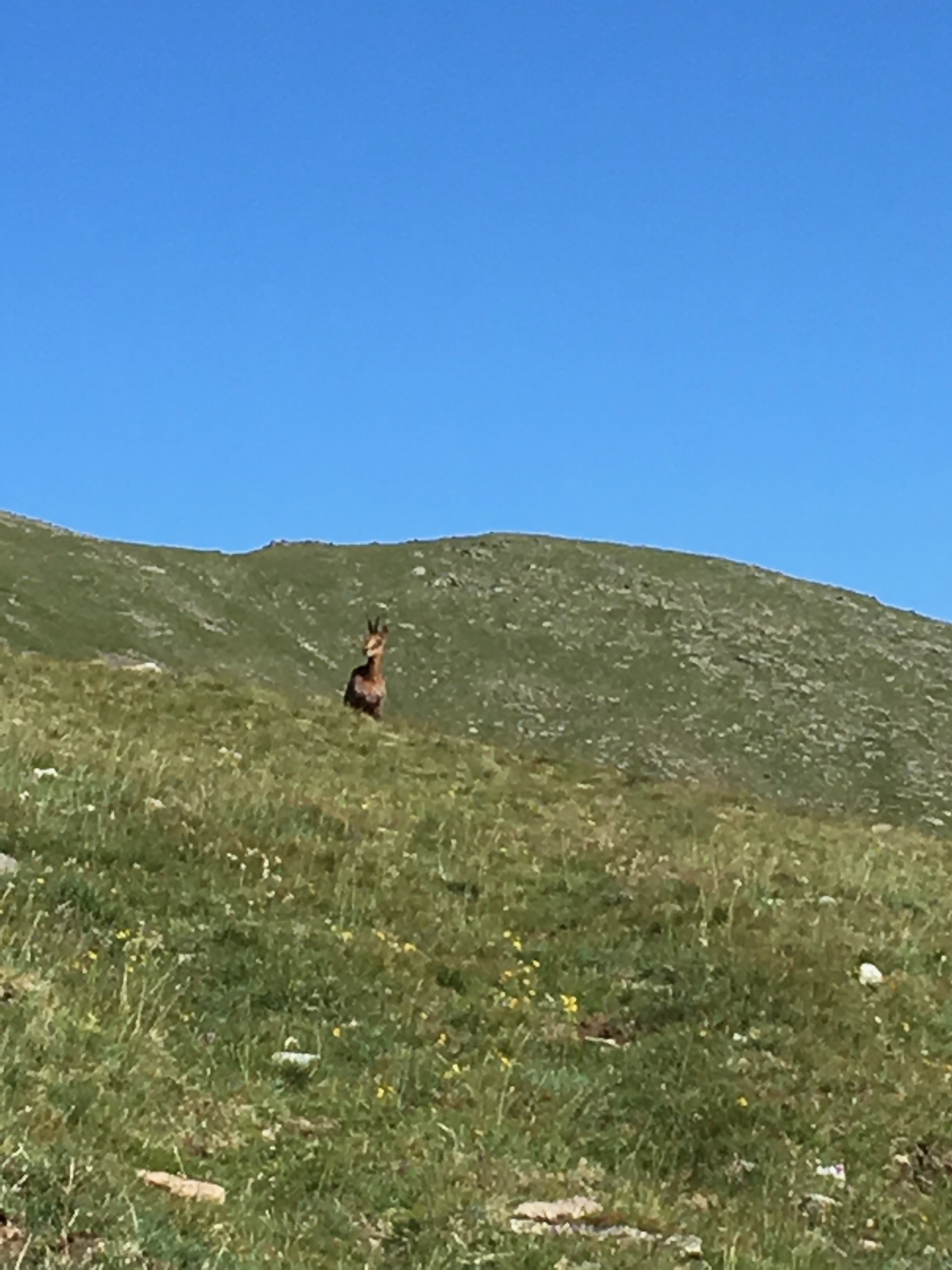
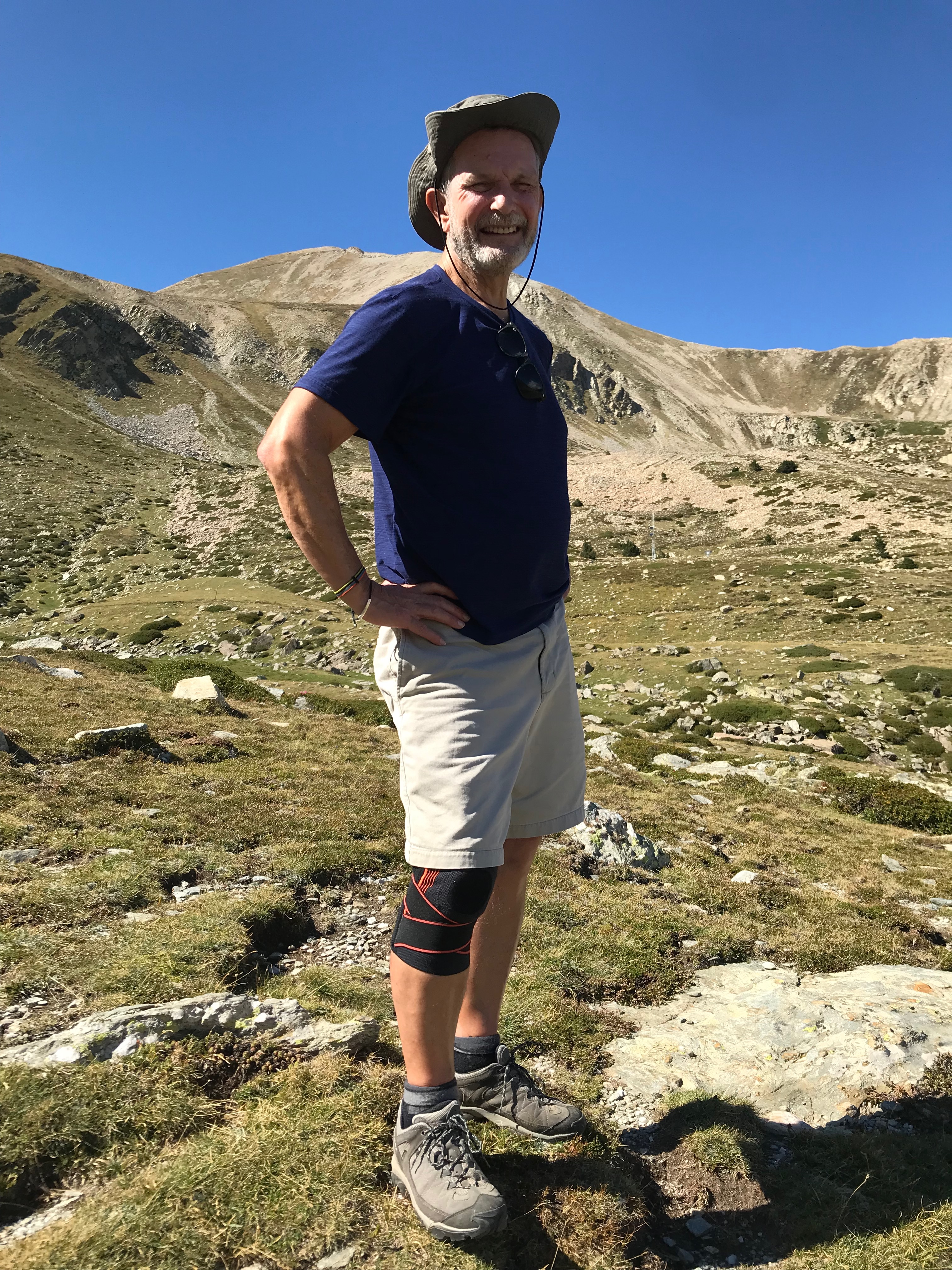
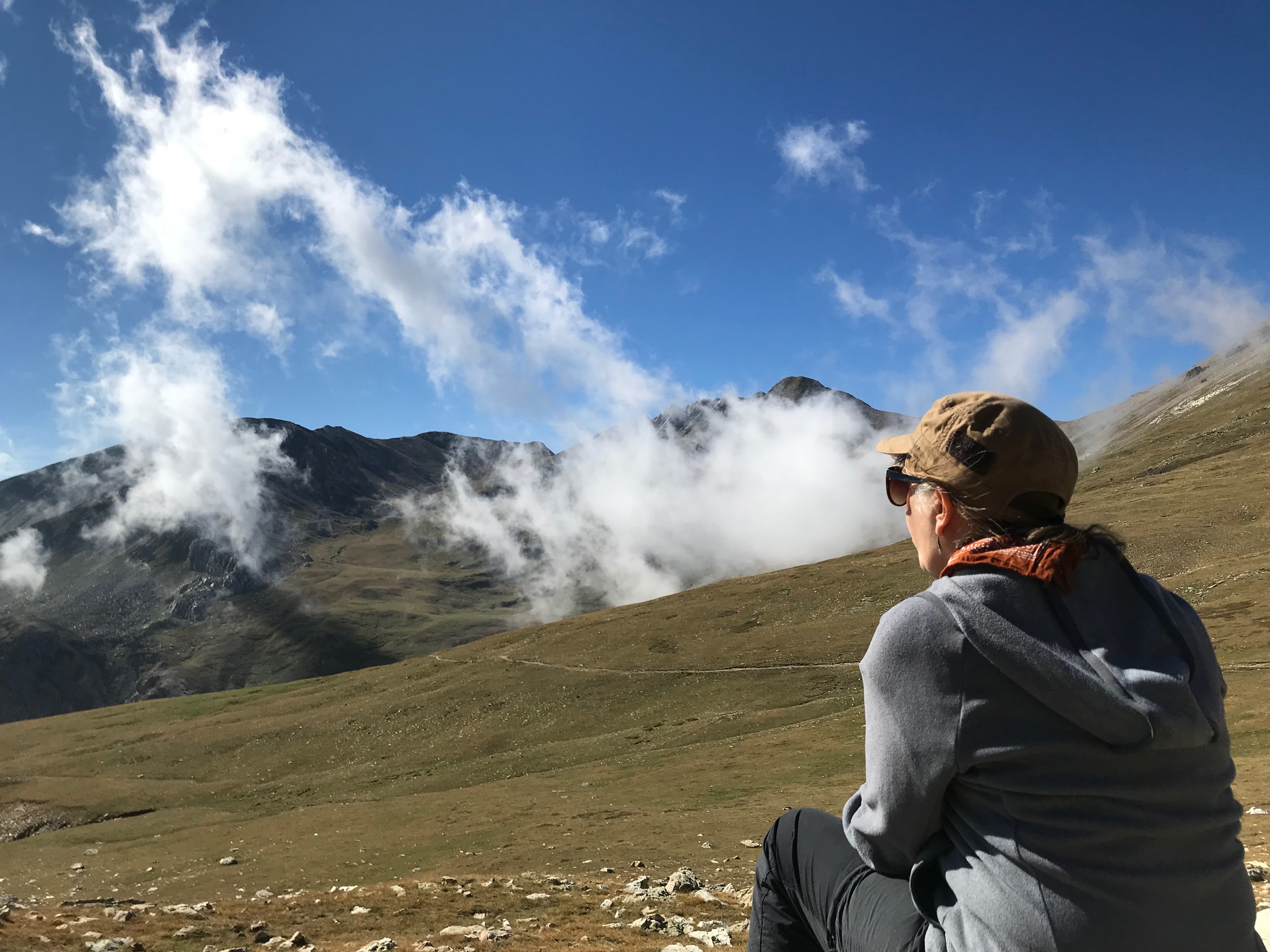
And then the isards, those fleet-footed Pyrenean antelopes, one of them leaping with boundless grace, stopping every fifty yards or so to ascertain whether or not I was a threat, but that was then and this is now, and there is neither marmot nor isard to be seen, too many humans out and about on a Saturday in September, many of them taking a stroll after a morning’s mushrooming on the lower slopes, by the stream, hunting for rovellons, their orange-ochre, must-scented flesh, delicious fried in olive oil with all i julivert; and now there is a solitary eagle, soaring high above us, keeping a watch on things and he is far beyond concerning himself with any human visitation, of much more interest are the lizards that hide beneath the rocks, venturing out to sit blinking in the sun, a foolish move, but then again, what else can a lizard to do on such a glorious afternoon; and we climb to the Coll de la Marrana, and on reaching it the landscape opens up towards the Vall de Núria, and the cloud is thick below us, and to the west, breaking away in wraith-like shapes and gliding up the valley and over the ridge, towards the Pic de l’Infern, Pic Freser and the Bastiments. Here we find a place among the rocks and eat our picnic, drink our tea, looking out over the shifting cloudscape below us, the sun on our faces, on a day in the high Pyrenees, a sense of autumn in the air, and for me, tangible sadness that another summer has passed, and gratitude too for all that it has brought, knowing that nothing lasts, knowing almost nothing, knowing that only a fraction of all that lies before me is accessible to my perception, that there is so much more, here on the edge of what remains forever out of reach, here on the edge of what remains unknown.


 Richard Gwyn