Richard Gwyn

The art of kissing

Portada – El desayuno del vagabundo

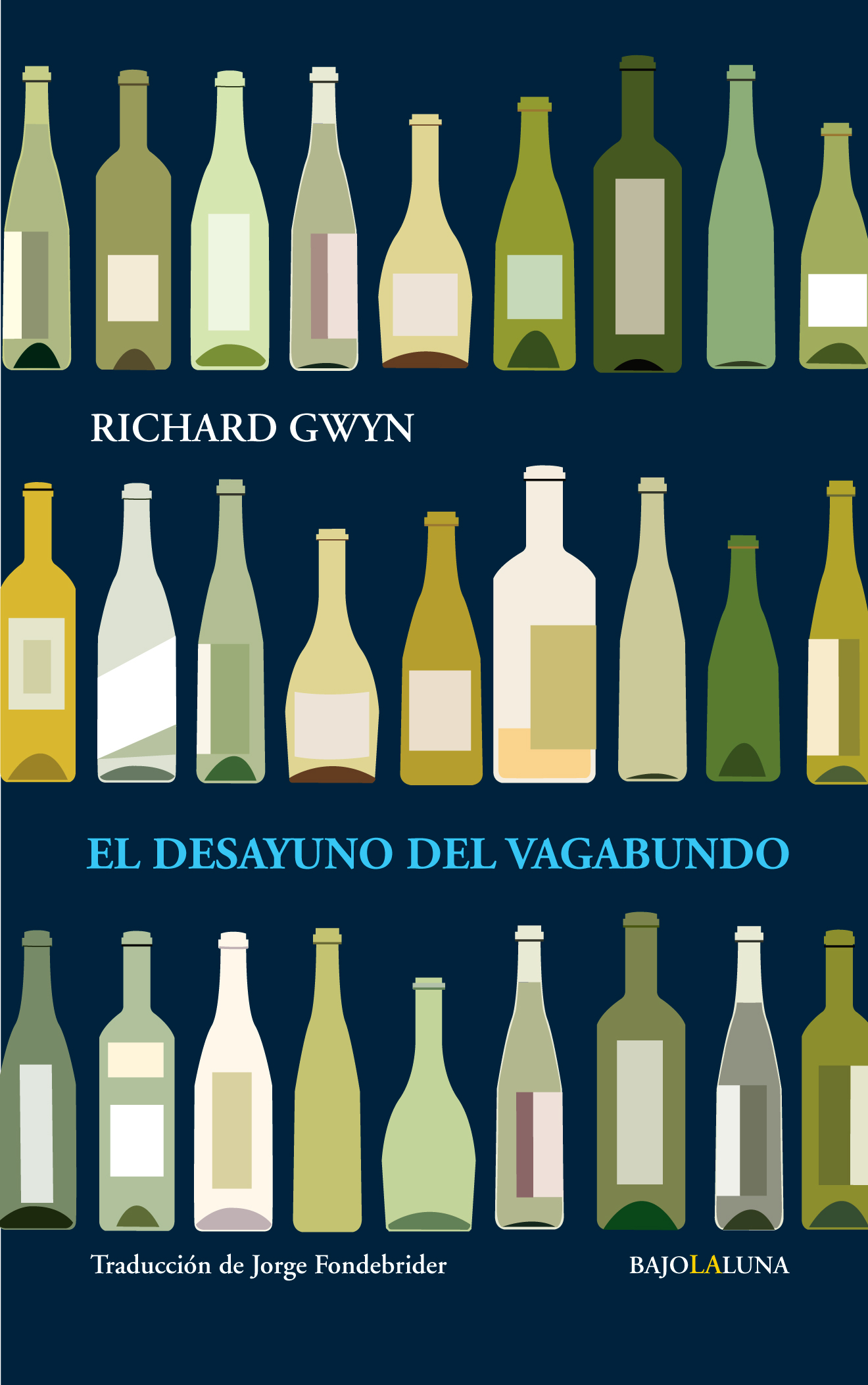
The principal purpose of this trip – to Buenos Aires and Santiago de Chile – is to attend the launches in those two cities of The Vagabond’s Breakfast in Spanish. This is being undertaken by Argentine publishers Bajo la luna, and the Chilean outfit LOM.
tapa el desayuno

The book covers show a certain consistency of theme, which, at least in part, reflects the content of the book, although the Argentinian cover, while attention-grabbing, perhaps gives a misleading impression of irreversible dipsomania. Strangely, our first full day in Buenos Aires, we walked into a café, coincidentally called Poesía (poetry) to be met by a wall with a very similar façade.
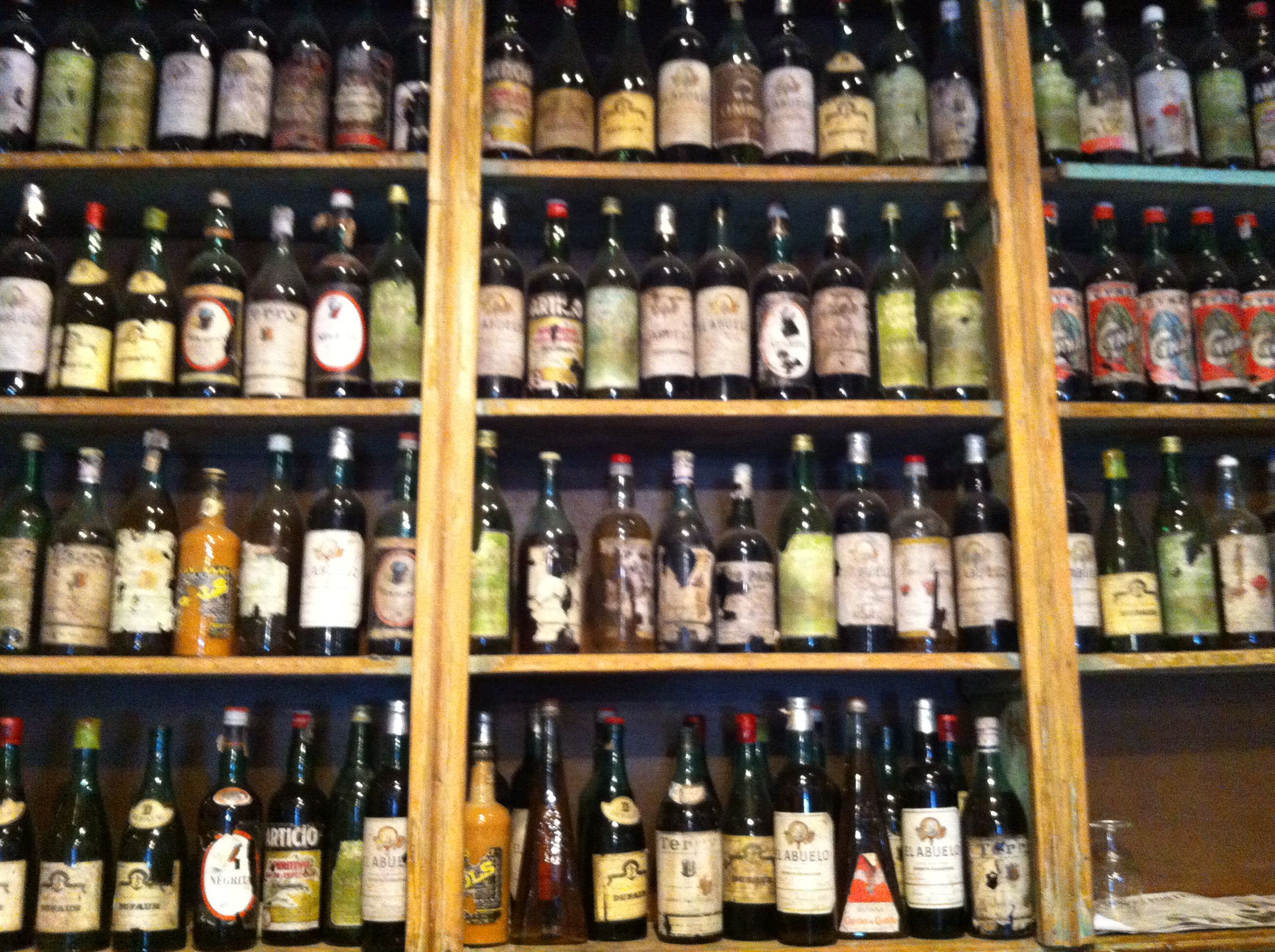
bottles

So, on Monday I was picked up by LOM’s publicity person, Patricia, and taken to the University of Santiago to give a lecture – or so I thought – on Dylan Thomas, R.S. Thomas and David Jones. Having prepared this lecture, and given a version of it for the British Council in Buenos Aires (in English) I was not too worried about giving the same talk in Spanish. However, as often happens, there was a degree of confusion on the part of the university as to what exactly I was going to talk about, and when I arrived at the lecture hall I was confronted by a poster featuring a photo of myself wearing a straw hat, under the heading ‘Cómo un escritor se transforma en traductor’ – ‘How a writer turns into a translator’; an act of metamorphosis that I had never consciously given any thought to (but perhaps easier to tackle than ‘How a writer turns into a gardener’), which the hat might suggest, and since I was accompanied by my translator, the excellent Jorge Fondebrider, I thought: what the hell, why not. We’ll do it as a conversation, suggested Jorge. You’ll cope, he added, encouragingly.
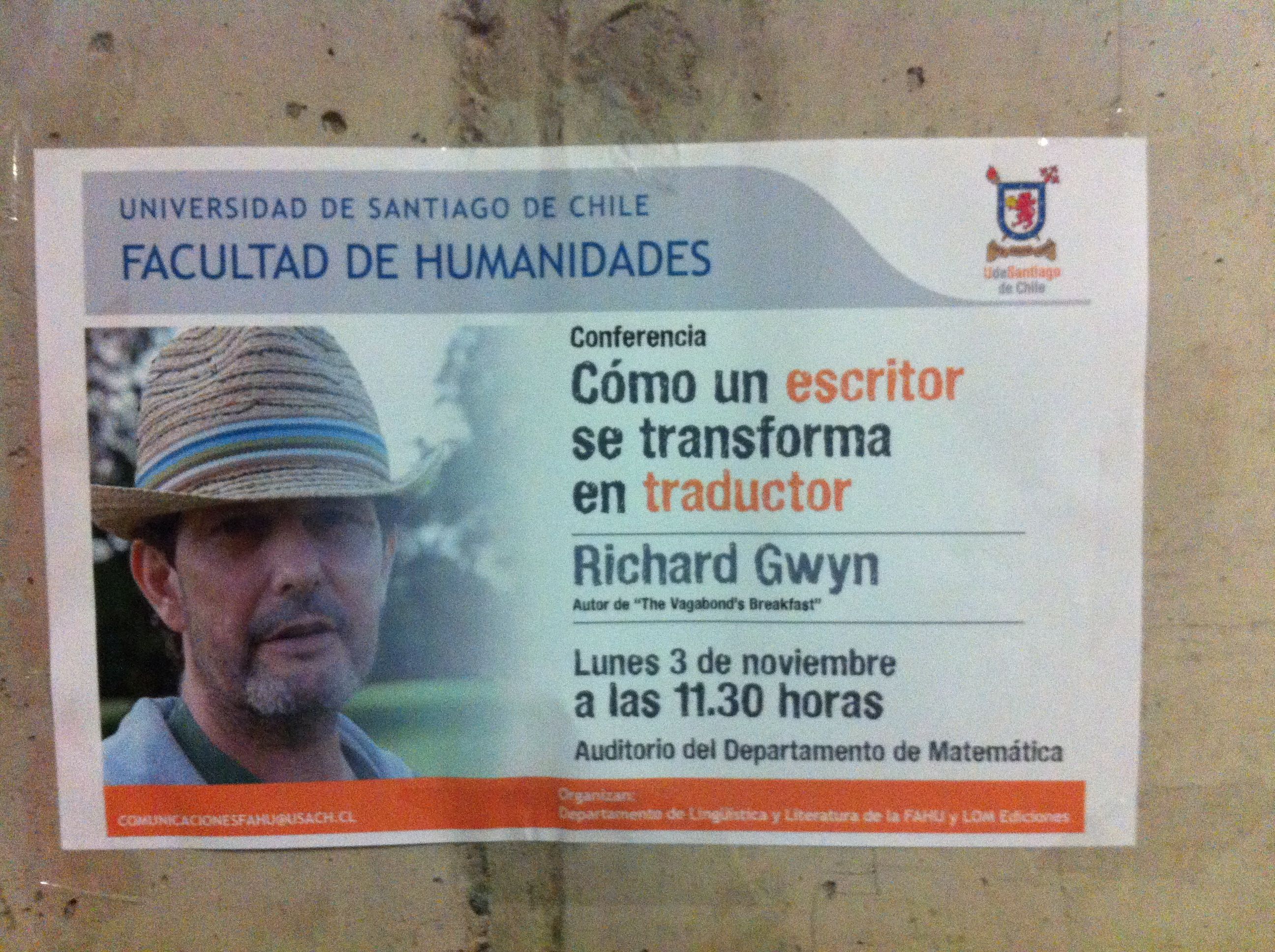
poster

In the hall, having successfully managed a sound check, the students and their lecturers filed in, rather a lot of them. They were extremely kind and attentive (only two of them actually fell asleep), while I wittered on about things that I hoped made sense, and which no one directly contradicted, all the while being prompted and prodded into acts of self-revelation by the industrious Señor Fondebrider. Questions followed, of a most informed kind – the students were studying for degrees in either translation or English, and when it was over, I walked out into the warm sunshine with the sense that another challenge had been overcome, another milestone passed.

After lunch, I took a walk in the nearby park – situated on a steep hill, named Santa Lucia – directly opposite my hotel. It was here that Pedro de Valdivia, the conquistador and founder of Santiago, first pitched camp. Today, however, it is filled with courting couples, dotted like coupling worms across the hillside, all of them kissing as though it were the national sport. For obvious reasons I couldn’t take any photos: it would have been hard to justify as an act of research, but I have never witnessed such dedicated kissing; a wholesome, almost spiritual act of collective union; something like a Korean mass wedding, all entwined on the grass of the hill where Pedro de Valdivia once made camp with his 500 battle-weary conquistadores.
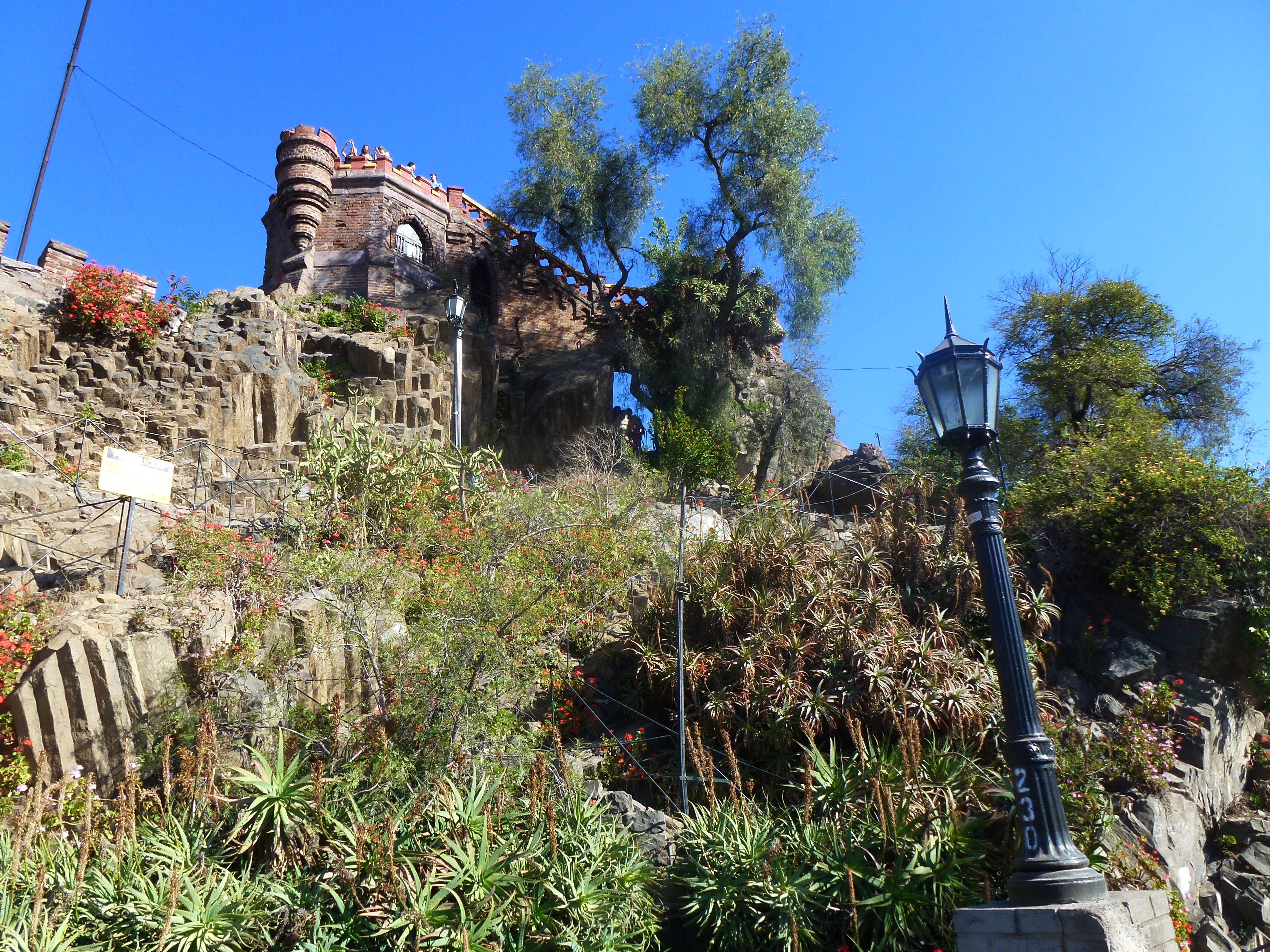
park

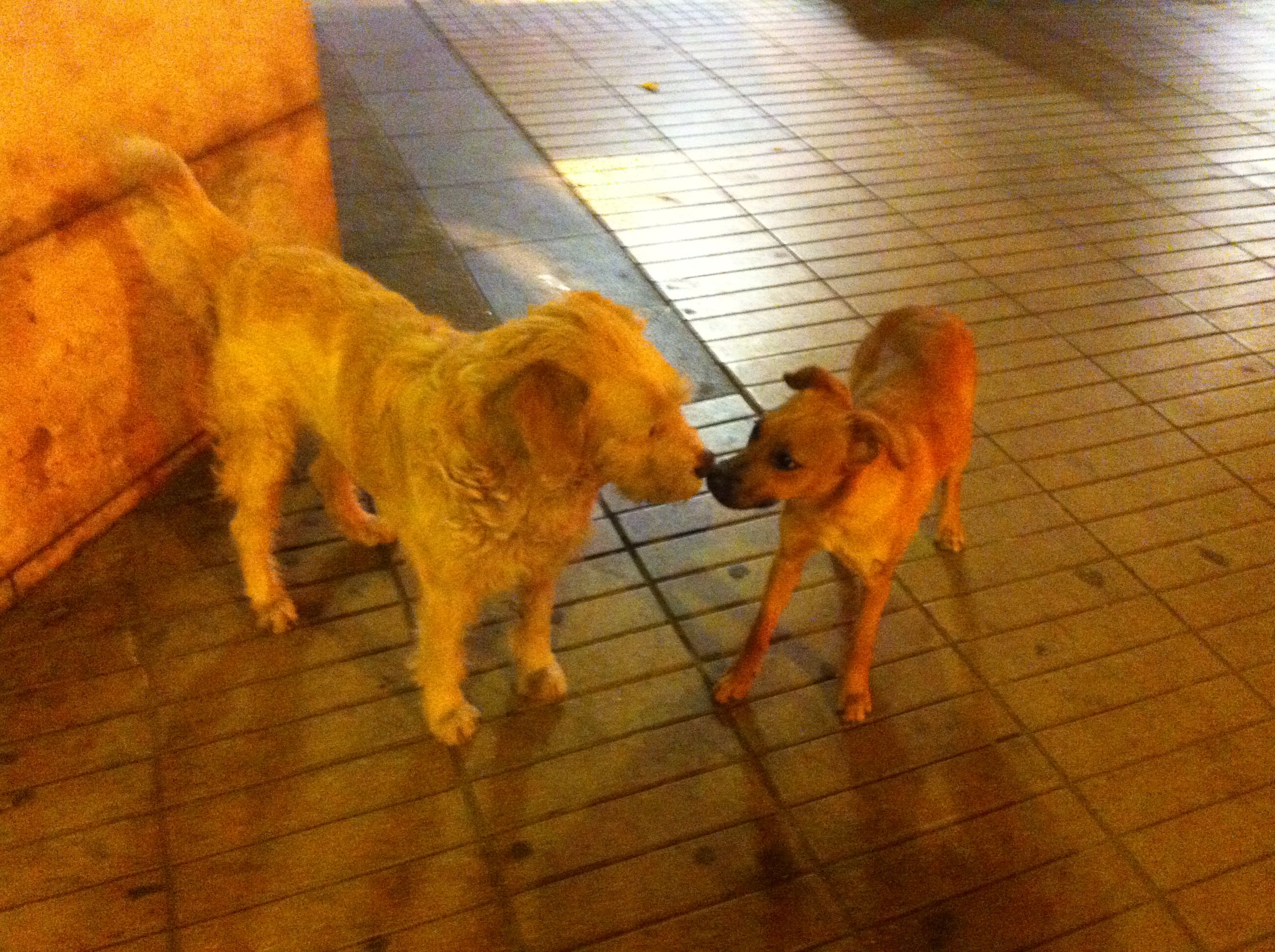
dogs

The things we leave behind

The things we leave behind, or set apart, are usually left behind or set apart because they serve a purpose different from the one we have currently in mind. A walk around Santiago’s La Vega and Central markets yesterday morning, followed by a stroll in the Yungay district confirmed this notion. An illuminating and educational way of passing the morning before the arduous business of attending the city’s annual book fair.

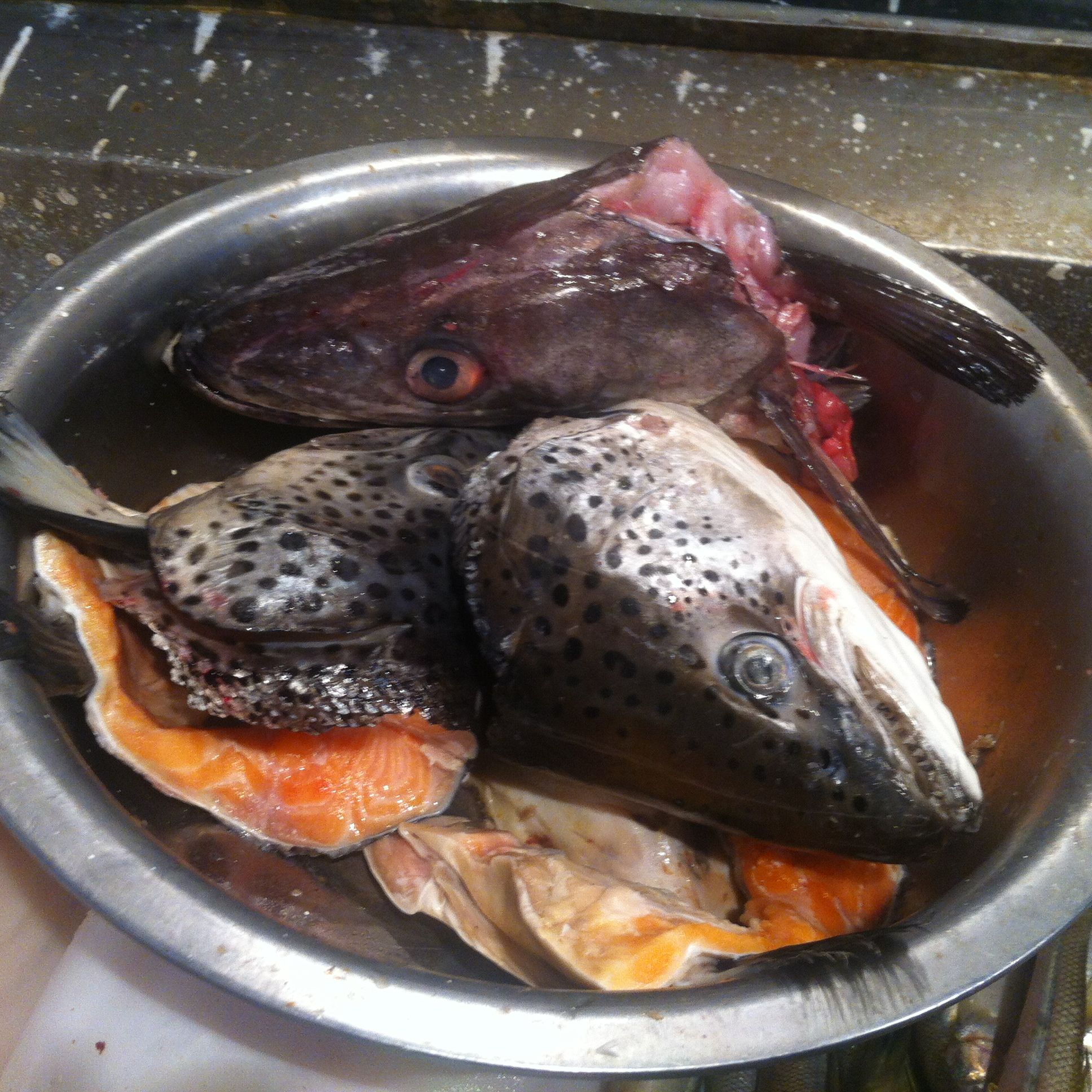
  1. Fish heads are left behind because people often feel as though they are not intrinsic to the preparation and cooking of said fish, since, unless they are very small fish, the heads are unlikely to be eaten. However this does not take into consideration the aesthetic qualities of presentation. If you are going to bake a large fish and place it on a serving dish in the middle of a table, you want it with its head attached, surely? Many people, nevertheless, leave their fish heads with the fishmonger, who will display them in a basin or bucket.

market 1

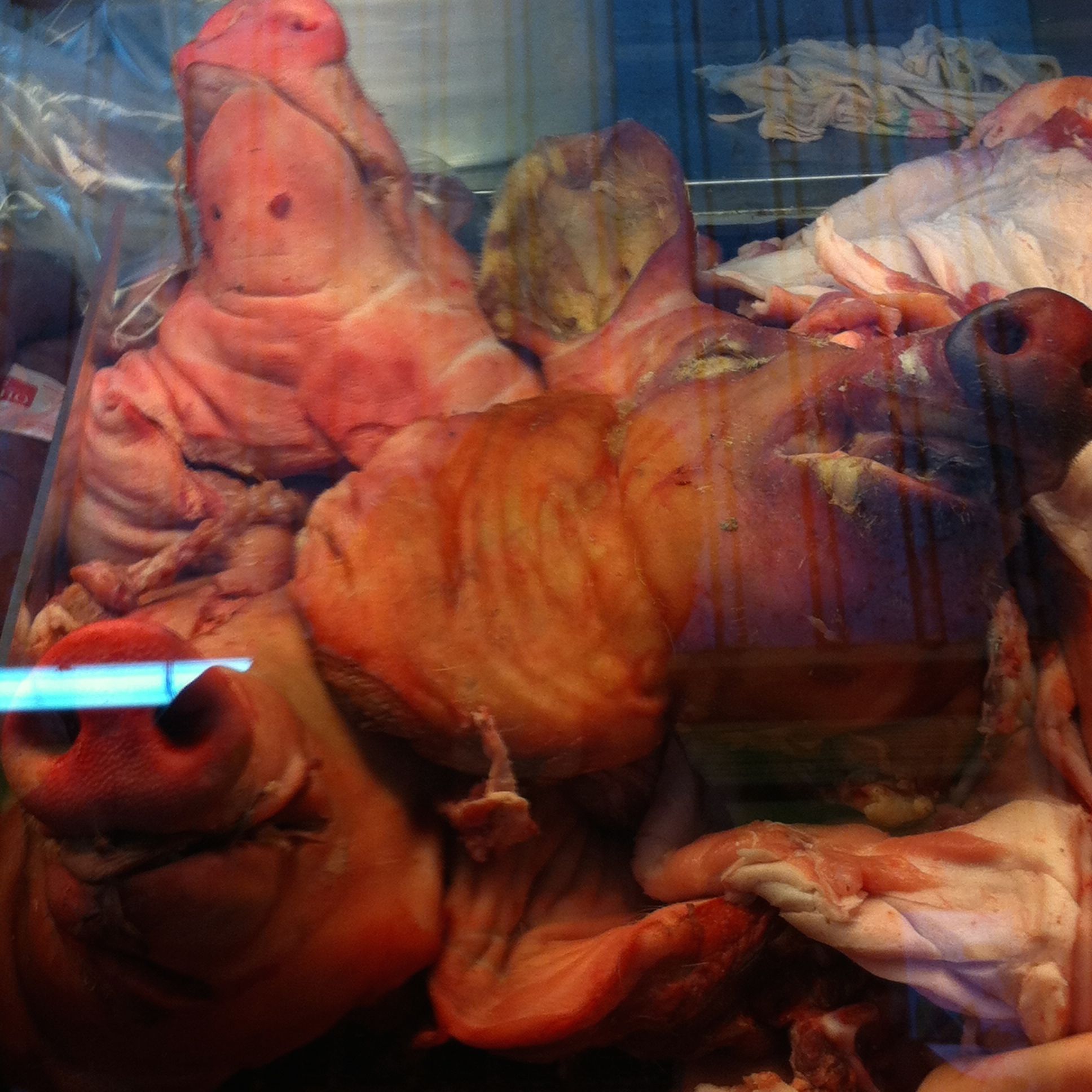
  1. Pigs have been known to lose their heads. Or, put another way, the heads get left behind in the general process of butchery. The three unfortunate specimens in this photograph, snouts pressed up against the glass of their cold grave, are sad examples of human carnivorousness. But if the situation were reversed, and pigs were left in charge, would humans fare any better? If the HBO series Deadwood is any guide, decidedly not.

market 2

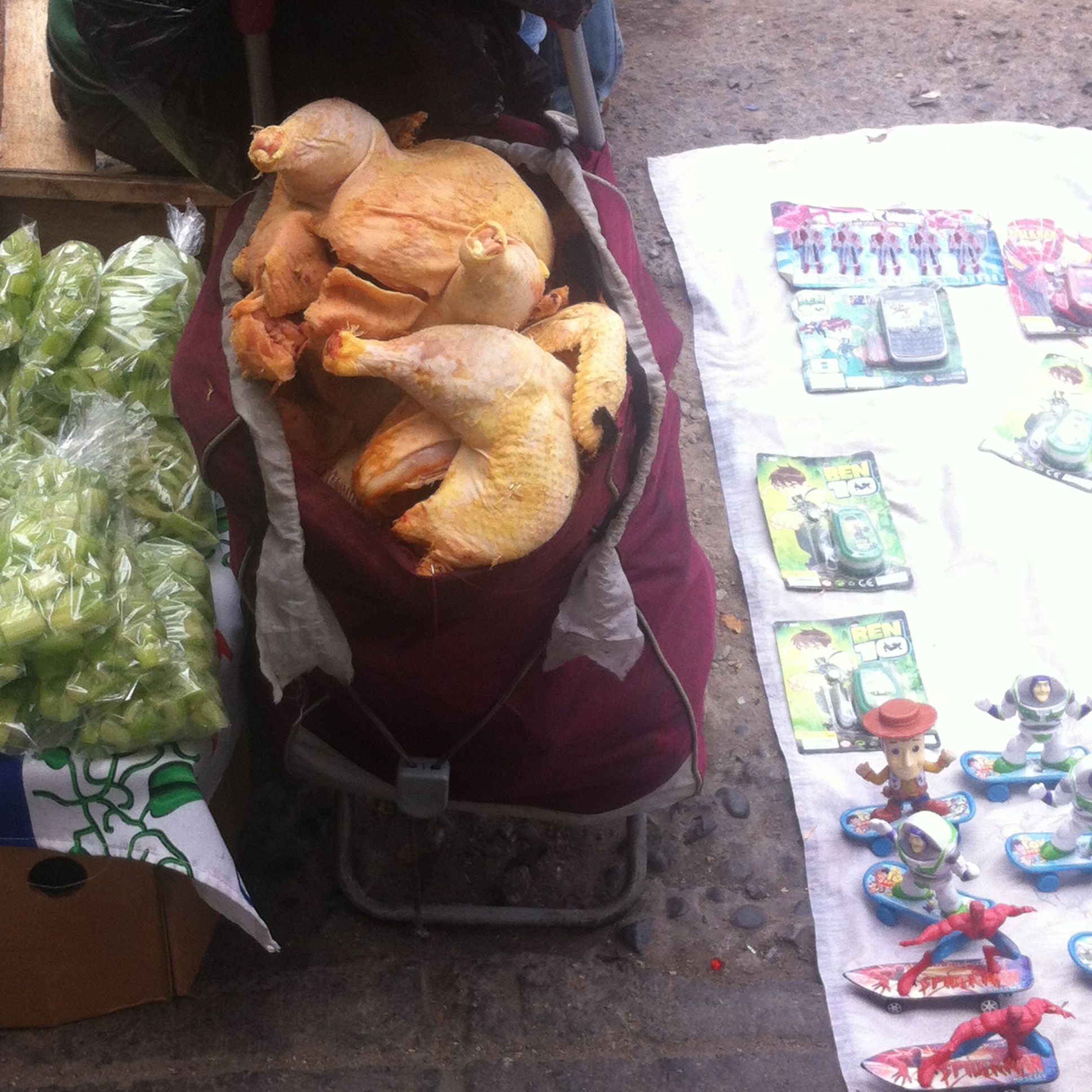
3. Someone seems to have left a backpack filled with dead chickens on the pavement. This questionable practice is apparently an acceptable way to dispose of one’s unwanted chickens in Santiago.

market 3

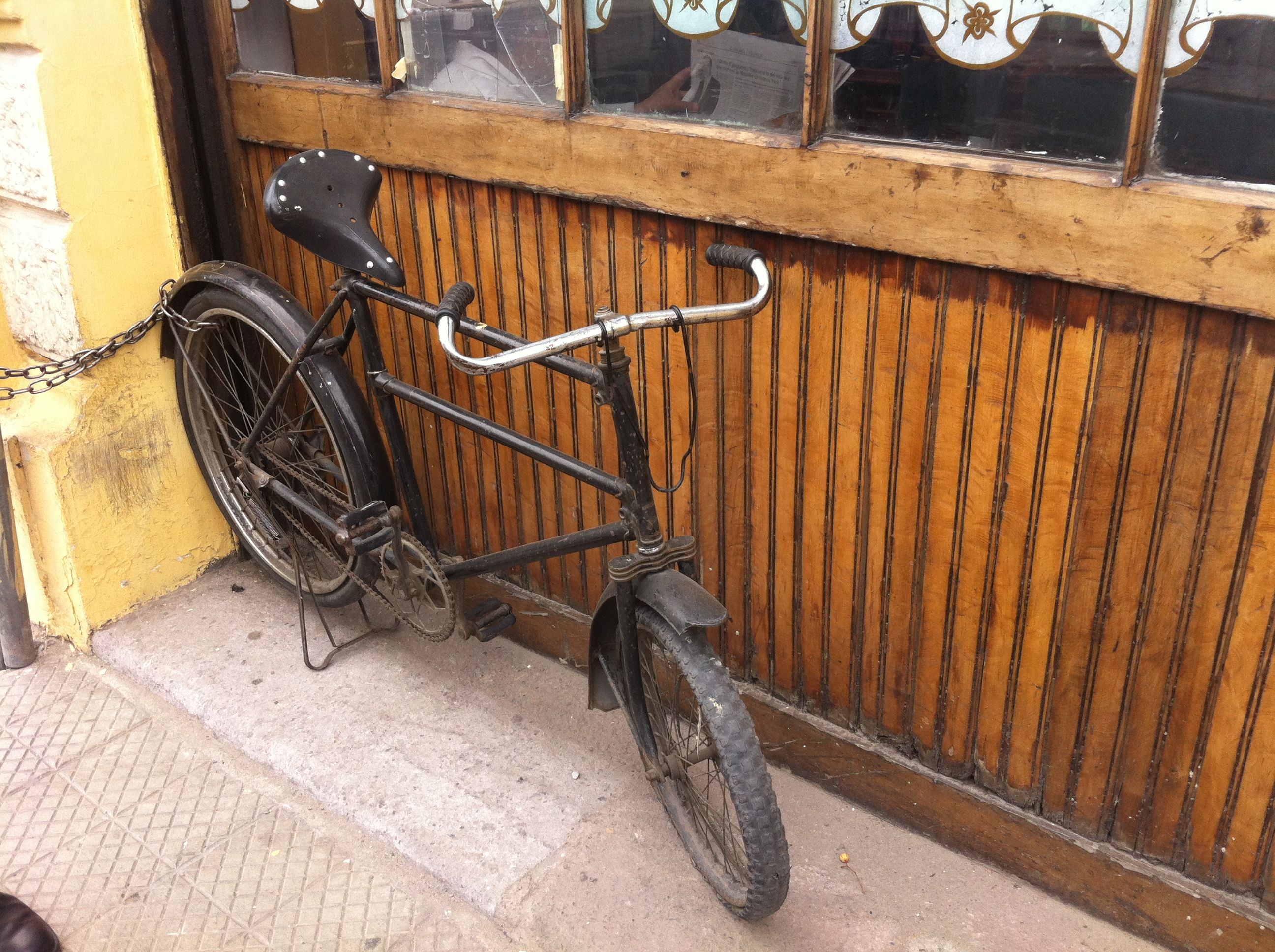
  1. Bicycles are left outside the barber’s or the restaurant as they would be an encumbrance inside. There would be no space. However, they are far more likely to be stolen if left outside. Therefore their owners attach the bicycle to a fixed object by the use of a chain or similar locking device.

market 4

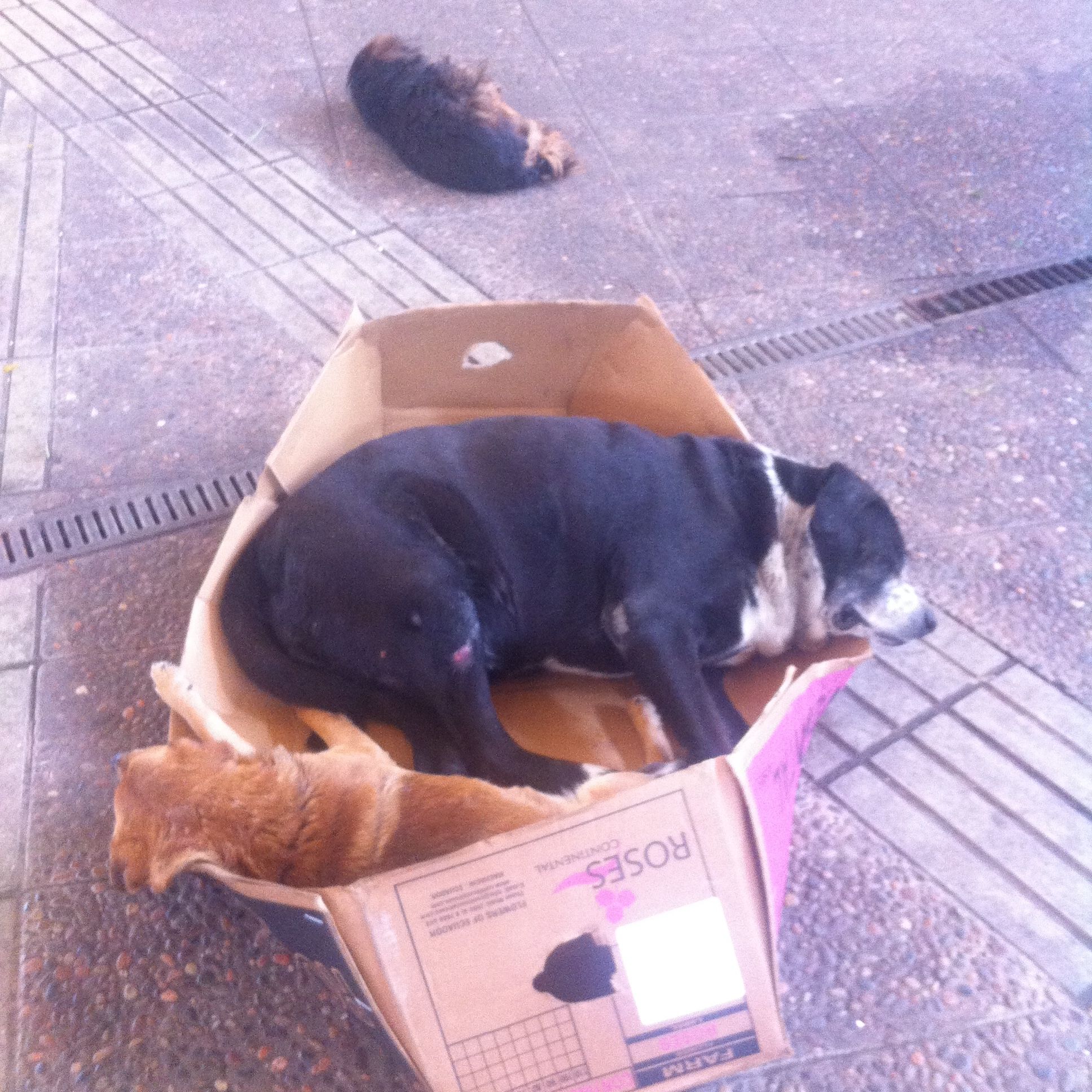
  1. A cardboard box, once used for the packaging of roses, is left out in the flower market, and provides a handy resting place for a couple of market dogs. Dogs, it should be noted, are everywhere in Santiago de Chile. They are often quite large specimens, such as the black one here, and roam the streets with a marked sense of propriety. People appear to be generally indulgent of them, and consequently the dogs are a constant presence: a Santiago street scene is not complete without a canine in view.

market 5

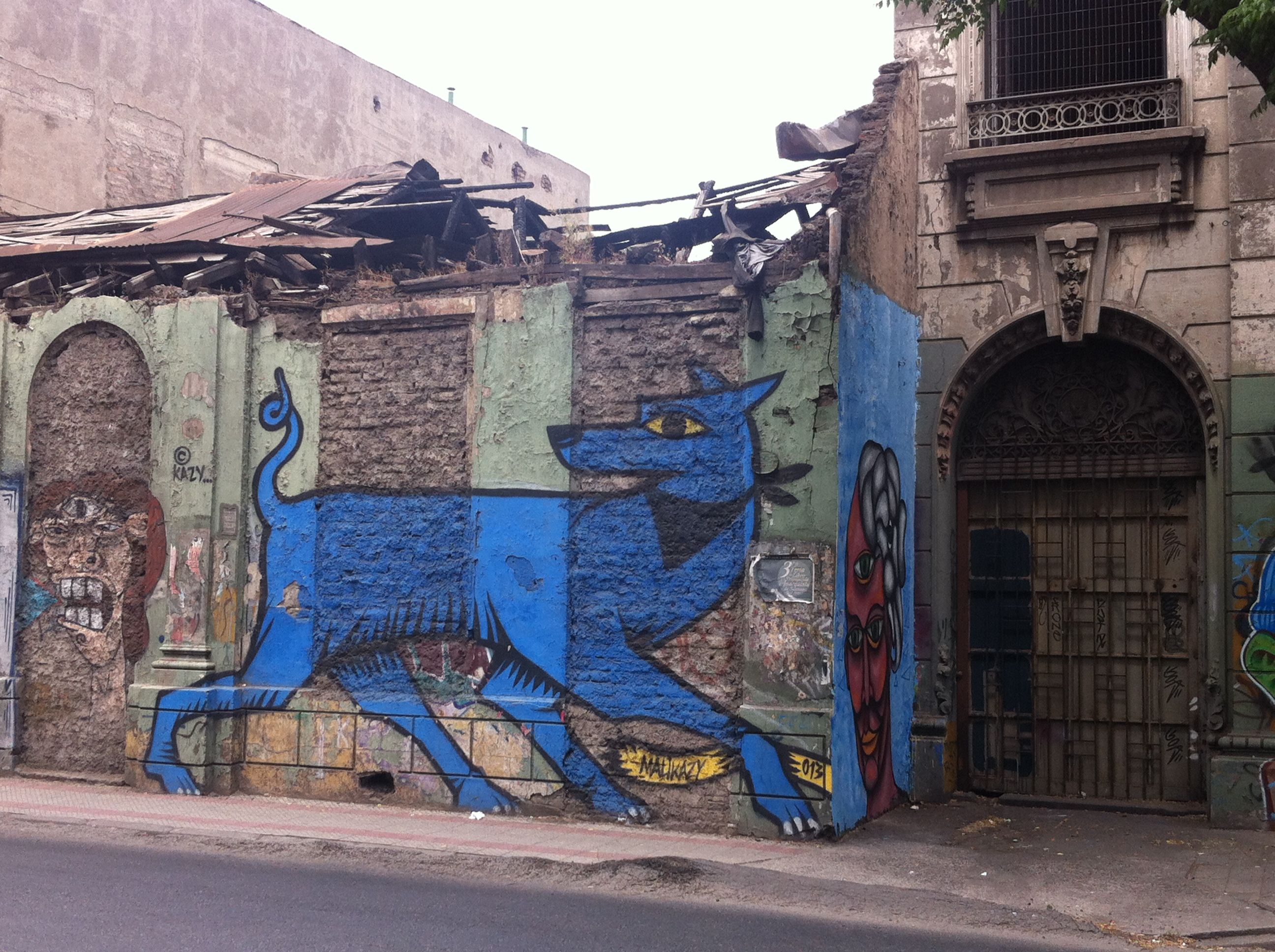
5a. Sometimes a clever street dog overcomes the lack of manual dexterity that affects species without an opposable thumb, and learns to paint. Below is a self portrait by ‘Blue Dog’, in the barrio of Yungay.

market 5a

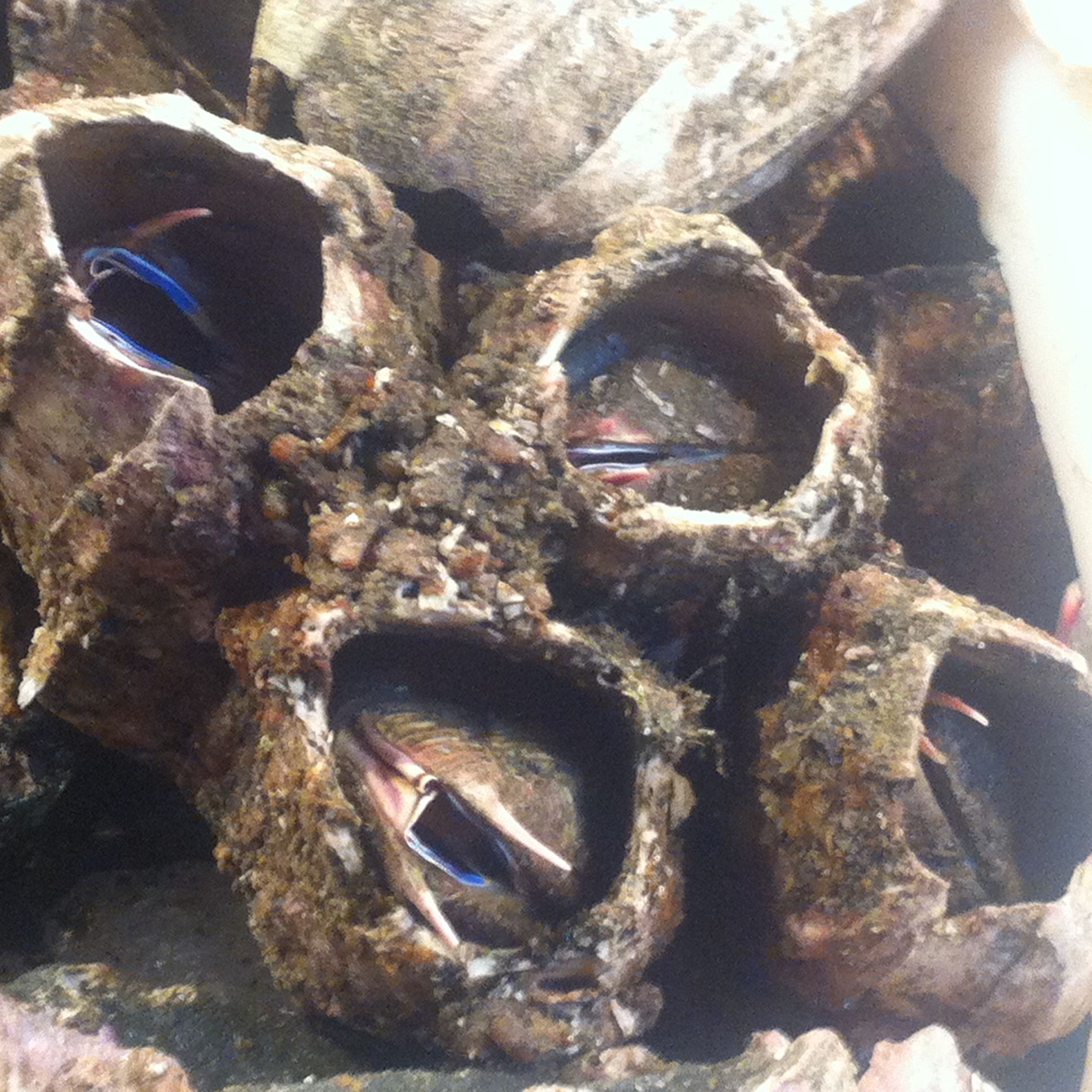
  1. Back in the fish market, I discover the most bizarre species of seafood I have yet encountered: picorocos. They are pictured below, their little claws gesturing feebly in the blind air. They live inside their tunnel-like log homes (not logs, but crumbly rocks), and they wait. They wait, their little claws gesturing blindly in the empty air. And they wait . . .

market 6

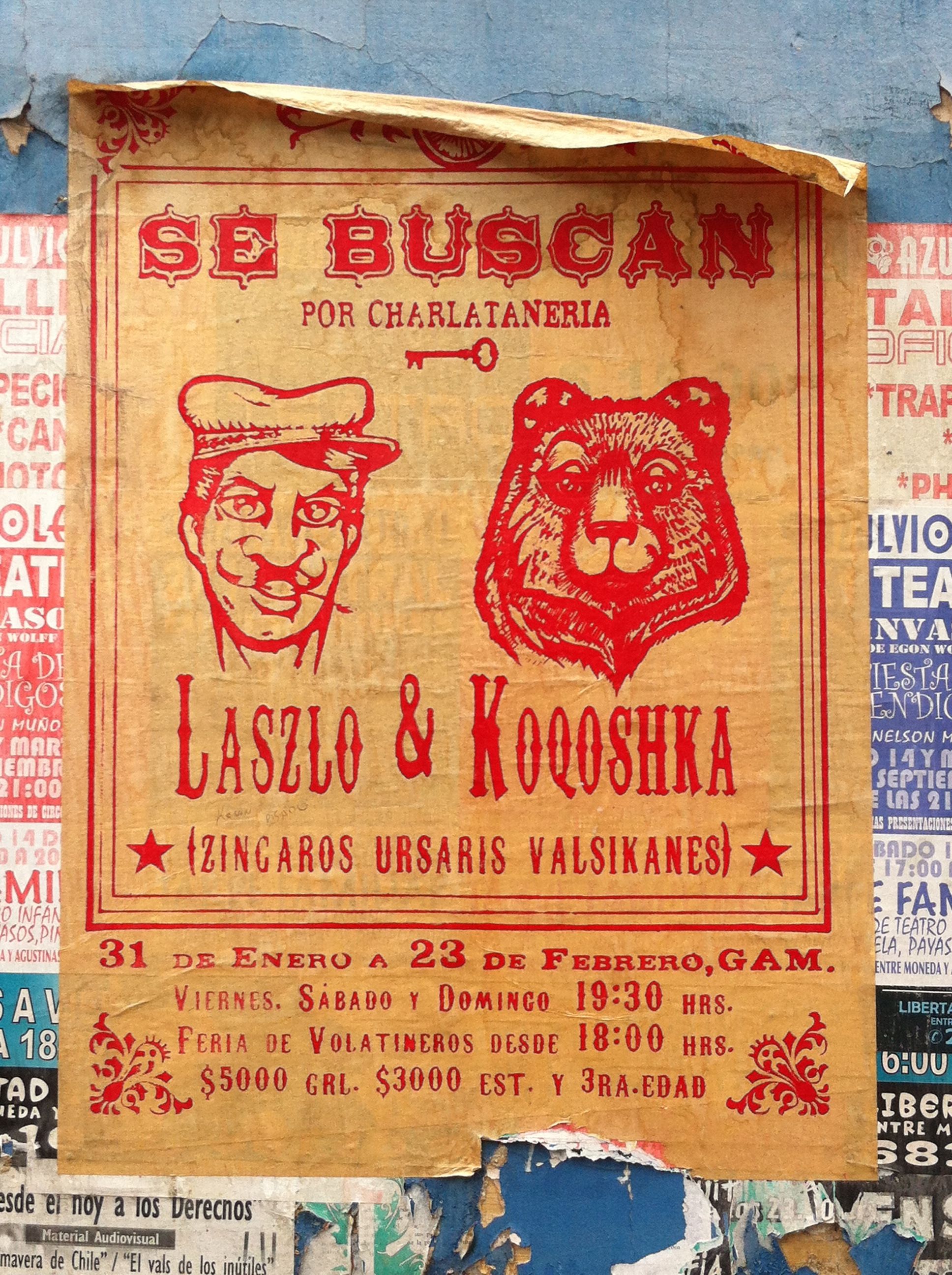
  1. Finally, Laszlo and Koqoshka, who got left behind when the circus moved on, and are wanted for charlatanry. One wonders what particular crimes this offence entails, but Laszlo’s moustache certainly gives the impression that he might not be a chap to whom one would entrust the family silver. Koqoshka, as I have just now been reminded, bears a distinct resemblance to W.N. Herbert’s Murder Bear. But did he really get left behind? And. as this is a ‘Wanted’ poster, would any sane booty-hunter really wish to find Koqoshka and his ‘keeper’?

market 7


Day of the Dead in Santiago de Chile


halloween 7

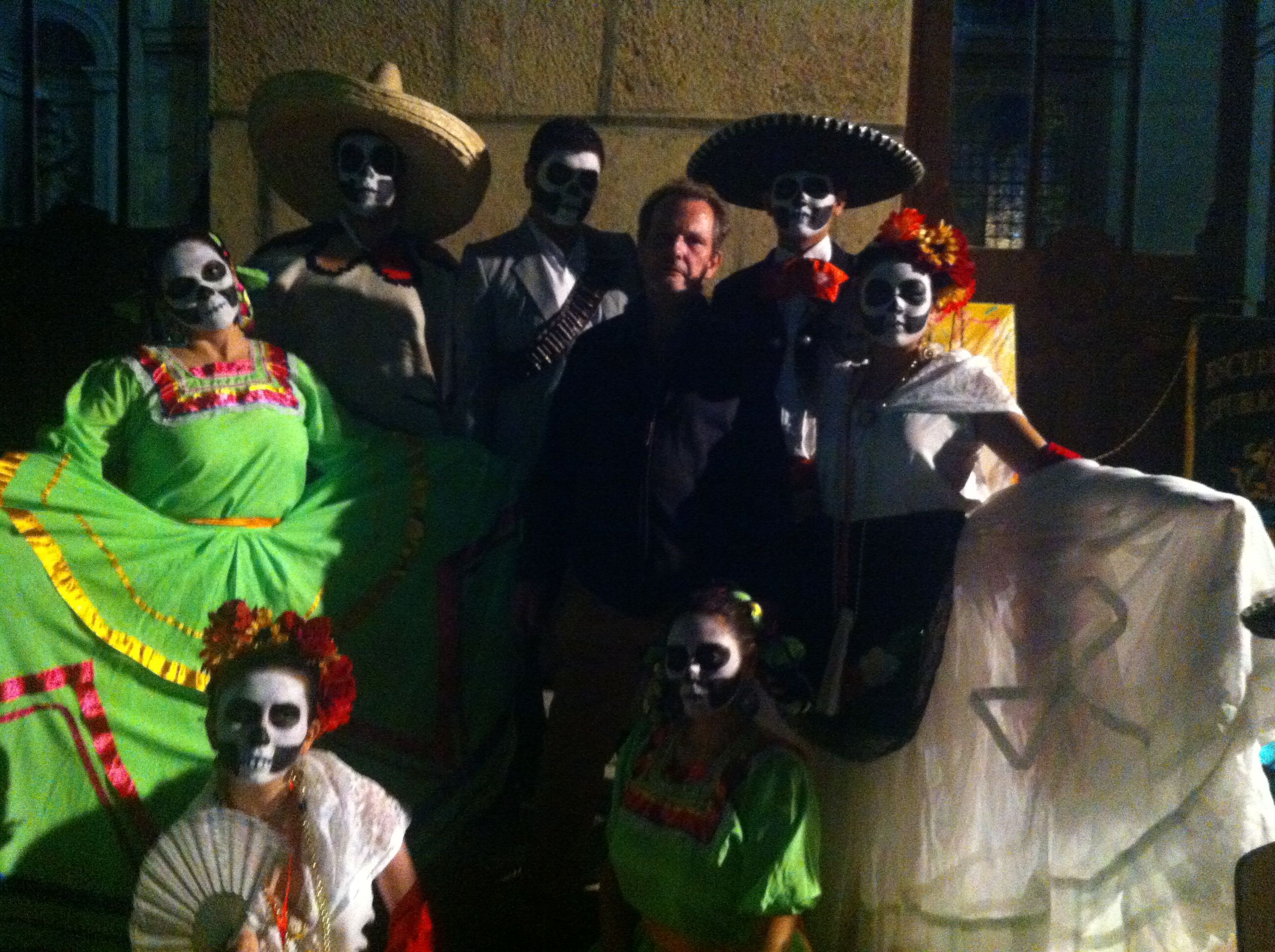
The Creative Ambassador of Wales is made welcome by the Mexican Dead

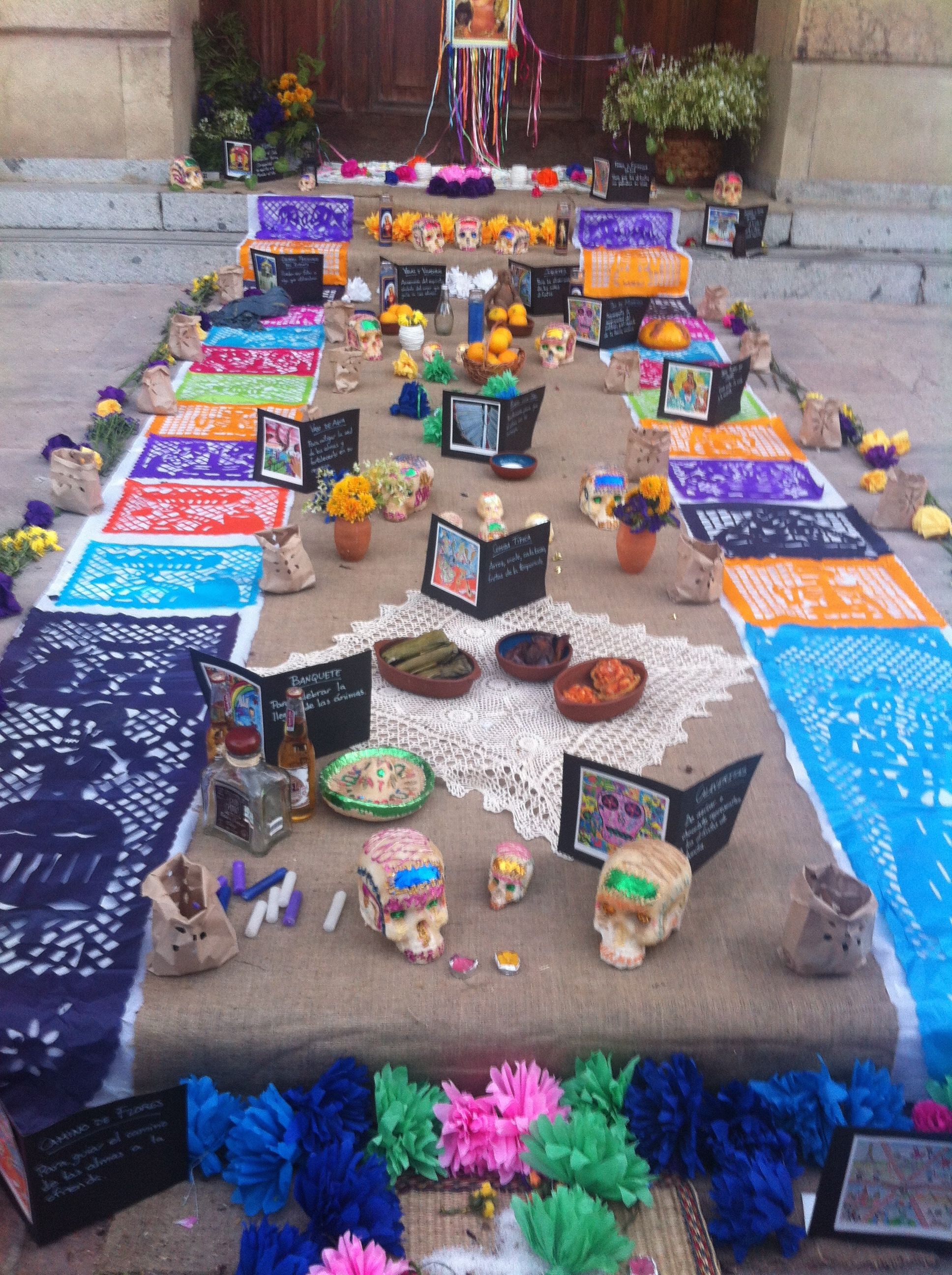
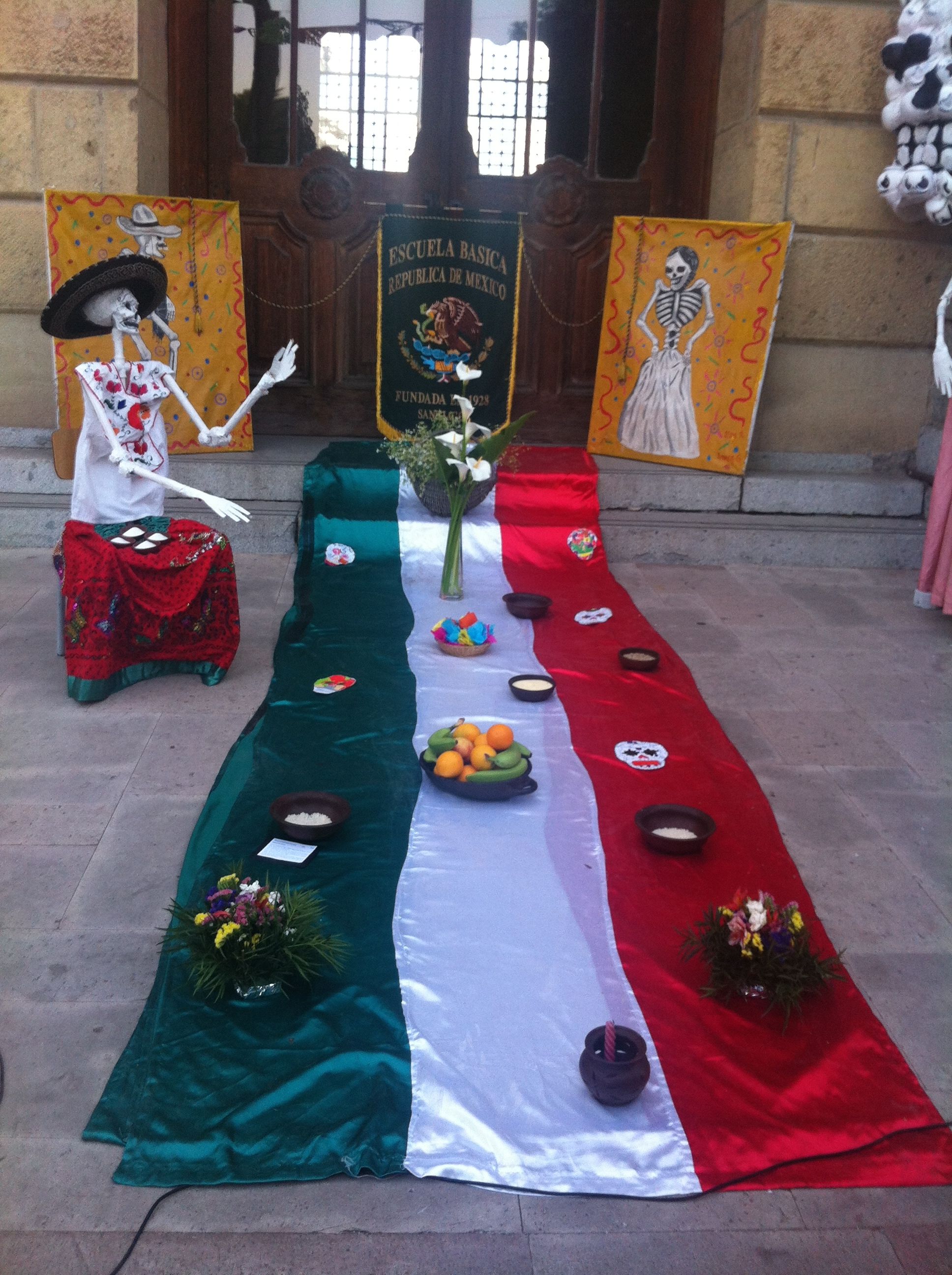
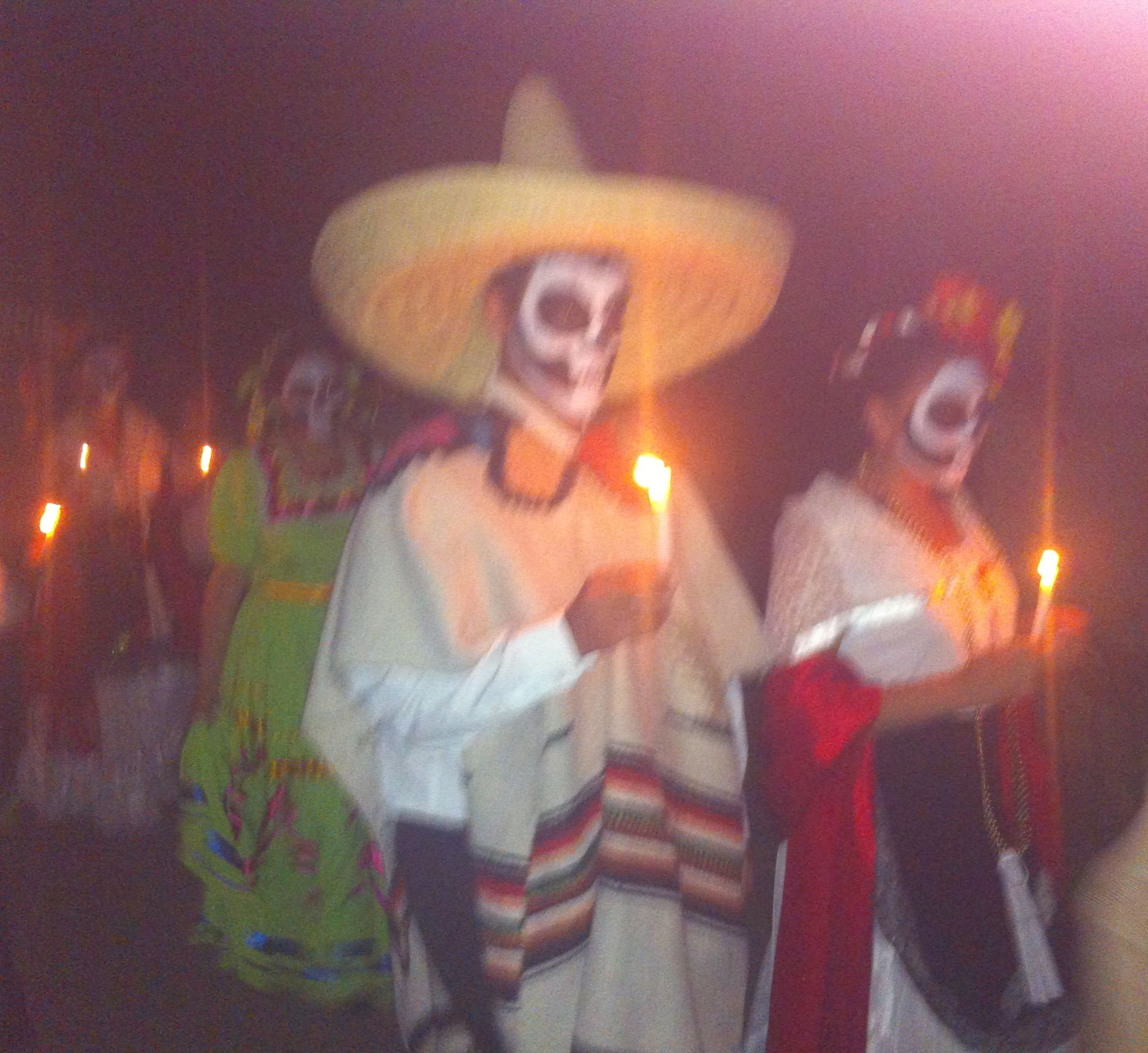
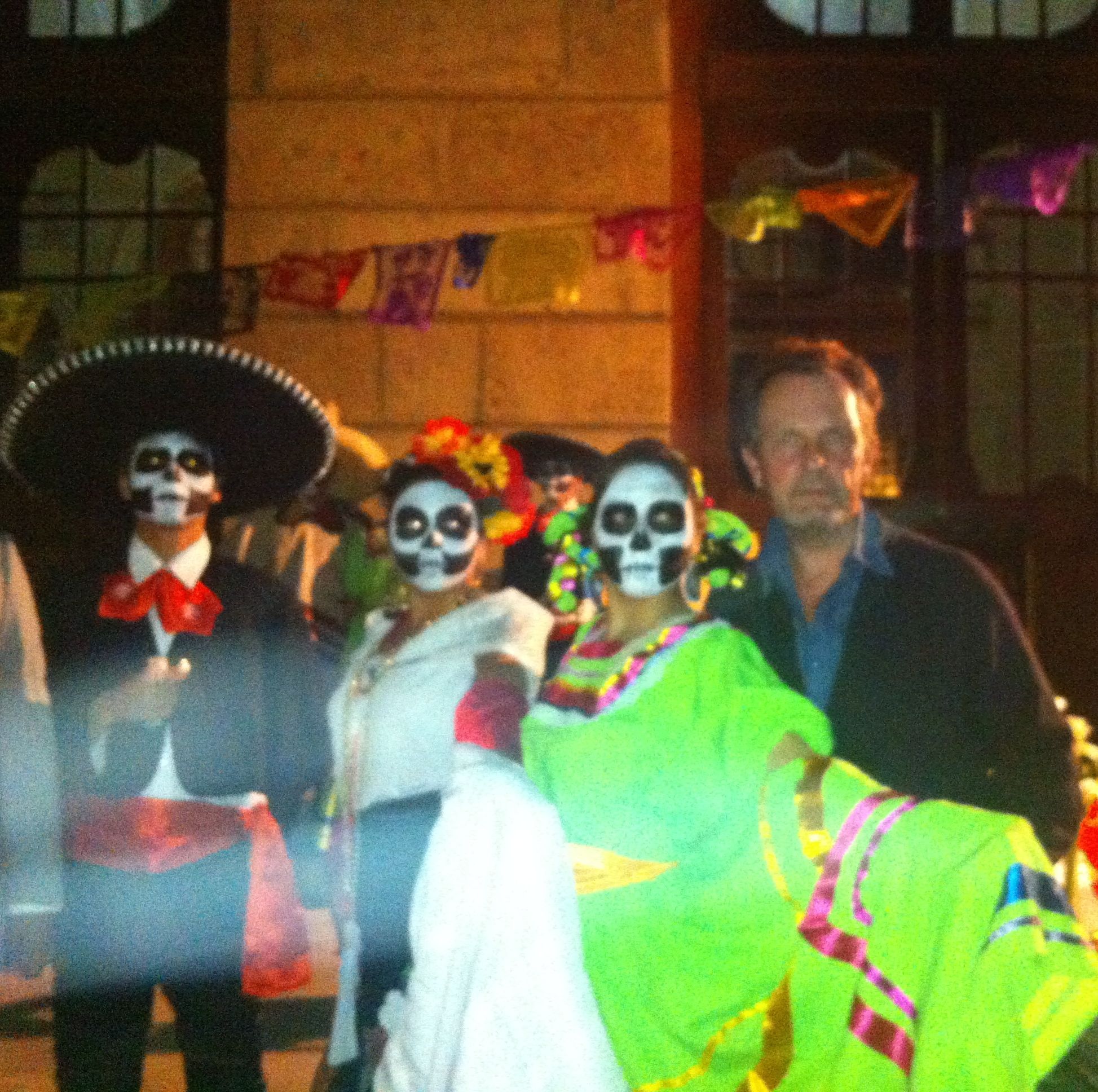
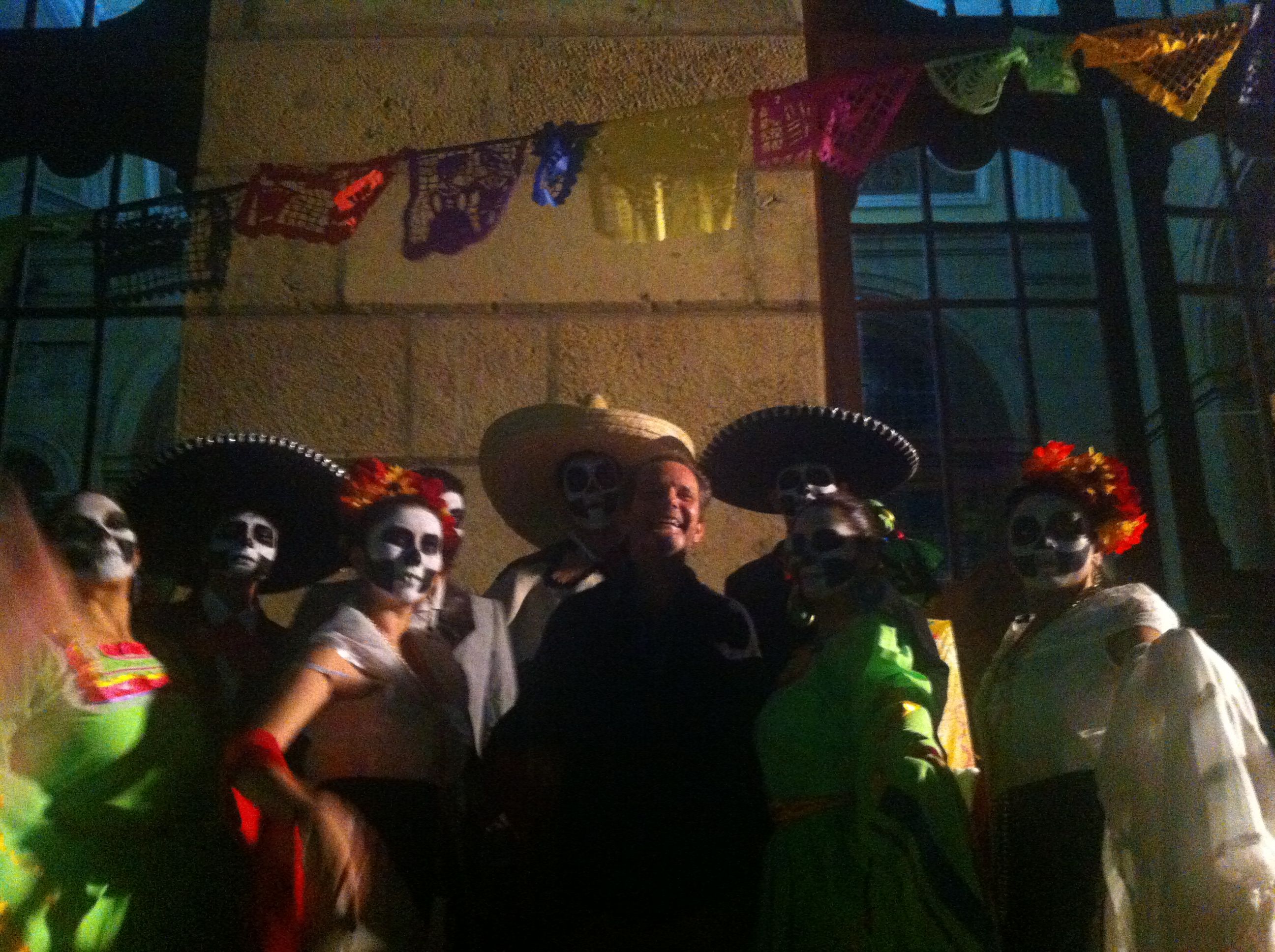
At the kind invitation of the Mexican Embassy in Chile we attend a Halloween celebration in the municipal cemetery of Santiago. Having arrived in the Chilean capital only a couple of hours earlier, it is as if I have been suddenly and unexpectedly returned to Mexico. There are speeches by ambassadors, civil dignitaries and other big cheeses, and displays of cultural artefacts relating to the Day of the Dead, the usual paraphernalia of skulls and trinkets and macabre dolls, some of them edible.  Gradually the dead appear among us, filtering through the crowd: a young married couple, a family group, and a very elegant group of dancers from Guadalajara. After music and dances, we are led on a candlelit tour of the cemetery, which holds the earthly remains of the most illustrious figures in Chilean history, including Salvador Allende, whose leftist government was crushed by the military of General Pinochet in the coup of 1973, and who died in circumstances which still remain unclear – and so will remain until the end of time. Time which, as the Mexicans know so well, passes too rapidly for us, until we too join the great silent hordes of the deceased, who once a year mingle with us, are permitted to sit at table and witness earthly pleasures, to sing and dance and drink tequila, and to envy the living; while we look on with a mix of terror and fascination at these spectral figures, so elegant in their finery, yet so devoid of substance, knowing that we will one day be them; that in a certain sense, we already are.


halloween 2


halloween 3


halloween 4


halloween 5


halloween 6


Let the Great Hullaballoo begin

Let the Great Hullaballoo begin!

dia de los muertos manic

Taken!


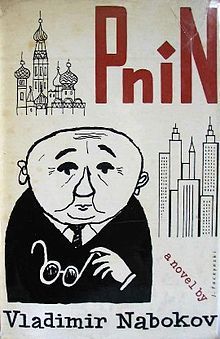
The use and abuse of similitude: the case of Pnin (continued)

Pnin 2

After the party at his house, and being informed that is being fired by Waindell College and replaced by another Professor of Russian – who is in fact the nefarious narrator of the novel we are reading – Pnin retires to his kitchen and slowly begins to wash the dishes and glasses and cutlery left behind by his guests:

‘He prepared a bubble bath in the sink for the crockery, glass and silverware, and with infinite care lowered the aquamarine bowl into the tepid foam. Its resonant flint glass emitted a sound full of muffled mellowness as it settled down to soak. He rinsed the amber goblets and the silverware under the tap, and submerged them in the same foam. Then he fished out the knives, forks, and spoons, rinsed them, and began to wipe them. He worked very slowly, with a certain vagueness of manner that might have been taken for a mist of abstraction in a less methodical man. He gathered the wiped spoons into a posy, placed them in a pitcher which he had washed but not dried, and then took them out one by one and wiped them all over again. He groped under the bubbles, around the goblets, and under the melodious bowl, for any piece of forgotten silver – and retrieved a nutcracker. Fastidious Pnin rinsed it, and was wiping it, when the leggy thing somehow slipped out of the towel and fell like a man from a roof. He almost caught it – his fingertips actually came into contact with it in midair, but this only helped propel it into the treasure-concealing foam of the sink, where an excruciating crack of broken glass followed upon the plunge.’

During a discussion of free indirect style (discours indirect libre) in his book How Fiction Works, James Wood comments on this passage as follows:

‘Nabokov writes that the nutcracker falls from Pnin’s hands like a man falling from a roof; Pnin tries to grasp it, but ‘the leggy thing’ slips into the water. ‘Leggy thing’ is a terrific metaphorical likeness: we can instantly see the long legs of the wayward nutcracker, as if it were falling off the roof and walking away. But ‘thing’ is even better, precisely because it is vague: Pnin is lunging at the implement, and what word in English better conveys a messy lunge, a swipe at verbal meaning, than ‘thing’? Now if the brilliant ‘leggy’ is Nabokov’s word, then the hapless ‘thing’ is Pnin’s word, and Nabokov is here using a kind of free indirect style, probably without even thinking about it.’

However, the narration is being ventriloquized via Vladimir Vladimirovich N., Nabokov’s narrator. Whose word then is ‘leggy’? Pnin’s, Nabokov’s, or VVN’s? Whom should we applaud for this fancy bit of writing? Clearly, as Wood suggests, the accolades fall at Nabokov’s feet.

A few years ago the London Review of Books published an admirable article by Iain Sinclair in which he compared, among other things, a piece of writing about a bird by Tom Raworth with a similar avian anecdote by Martin Amis:

‘From the hill the road sloped down and to the right. A dark grey bird with an orange beak skimmed across, paused on a wooden fence, shat, then continued its curve as the blob fell. All the way on the tube he kept      thinking of the line ‘And we walk through the valley of fables where the eagles lie.’ It was going to rain. The colours of the flowers hurt his eyes.’  (Tom Raworth: A serial biography)

Compare and contrast Raworth’s bird with the anachronistic London sparrow (gone, vanished) which puts in a rather showy appearance in the opening sequence of Martin Amis’s ‘Yellow Dog’. Amis is working so hard, as is the sparrow, to be live, engaging, on-the-money; the throwaway charm is so affected, so sub-Keatsian, that the inevitable violence that follows makes for a very pretty natural break.

‘A sparrow, a feathered creature of the middle air, hopped onto the     bench beside him and, with eerie docility, began to ventilate itself, allowing its wings to thrum and purr, six inches away.’

Good, yes? But too much of a stand-out cameo, a guest-star ‘bit’. The Amis sparrow is significant where Raworth’s generic ‘bird’ behaves in its curious way and flies, immediately and without waiting for applause, out of the story. There is much more to tell. Amis can’t leave the canal fauna alone, the nature stuff of Camden. There is a minatory ‘dead duck, head down with its feet sticking up like the arms of a pair of spectacles.’ Another vivid apercu (stopping the drift), like . . . like . . . a well-turned simile from a Martian verse-maker. Raworth and those who have learned from him don’t do similes. Similes diminish narrative integrity by suggesting that this work, this map, is not in itself convincing, or true, and that a parallel world of unsubstantiated ‘likeness’ runs alongside. The simile says: applaud my witAnd, from my prejudiced point of view, the faultline in English literary culture begins here.’
Sinclair alerts us to an element at work within, not simply ‘English’ or ‘literary’ culture, but intrinsic to our whole way of thinking about writing, that is, intrinsic to our entire creative process, in which metaphorisation, the substitution of one thing for another, is a central concern. Susan Sontag, perhaps most notably, warned of the dangers of this in her study of Illness an Metaphor. But there are broader and more generic ramifications: is writing a sort of fancy tricks activity, in which the clever guys get to invent the smartest similes and most alarming metaphors? How do we respond to the clever use of metaphor and simile in writers like Nabokov and Amis? With admiration? With irritation? Or a bit of both?


Pnin’s double


Pnin


Reading Nabokov’s Pnin, I spend a while deliberating over a passage in which the hapless Pnin, who teaches Russian in an American university with no requirement for a Professor of Russian, meets a Professor Wynn – a name, in Welsh, that comes about through the soft mutation of my own:

On the day of his party, as he was finishing a late lunch in Frieze Hall, Wynn, or his double, neither of whom had ever appeared there before, suddenly sat down beside him and said:

       ‘I have long wanted to ask you something – you teach Russian don’t you? Last summer I was reading a magazine article on birds – ‘

        (‘Vin! This is Vin! said Pnin to himself, and forthwith perceived a decisive course of action) . . . .

At the party which follows, held at Pnin’s rented house, it transpires that ‘Wynn’ is not who Pnin thinks he is, but a Professor T. W. Thomas. T Wynn. Or Twynn. Or twin. Or a doppelganger for Pnin.
Since Pnin’s story is being narrated by someone who only makes an appearance in the final chapter – and who, moreover, is someone Pnin is eager not to meet (they have known each other, according to the narrator, since their childhood in St Petersburg, a detail which Pnin denies).

All this is most distressing, for reasons I cannot quite ascertain. But what strikes me is the symmetry with which Nabokov casually drops in the Pnin/Wynn/Twin motif, and then abandons it. After the party:

         ‘Good-bye, good-bye, Professor Vin!’ sang out Pnin, his cheeks ruddy and round in the lamplight of the porch . . .

          . . . . ‘Now I wonder why he called me that,’ said T.W. Thomas, Professor of Anthropology, to Laurence and Joan Clements as they walked through the blue darkness toward four cars parked under the elms on the other side of the road.

        ‘Our friend,’ answered Clements, ‘employs a nomenclature all his own. His verbal vagaries add a new thrill to life. His mispronunciations are mythpoeic. His slips of the tongue are oracular. He calls my wife John.’

Mythopoeic his slips of the tongue may be, but it strikes me as only natural that a character whose existence lies in the hands of an unreliable narrator should himself create his own erroneous double (Vin! Vin!), while ignorant of the fact that one’s double, of course, has a double of his (or her) own.


Montaigne and the power of the imagination

Montaigne


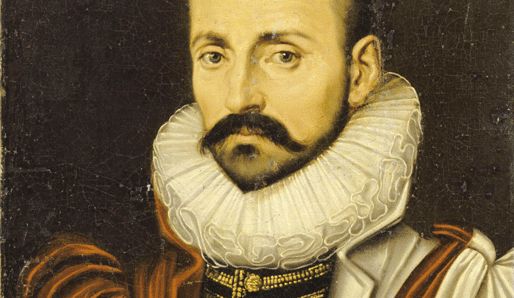
Reading Montaigne’s essay ‘On the power of the imagination’ I am struck by how differently the imagination was viewed in the early modern period. Indeed, understanding of the term is confined to its more negative associative powers. ‘I am one of those who are very much influenced by the imagination’, writes Montaigne, ‘[And] my art is to escape it, not to resist it . . . I do not find it strange that imagination brings fevers and death to those who give it a free hand and encourage it.’

It is only in the Romantic period, when the imagination is associated by Wordsworth and Coleridge with creative power or the poetic principle – the link between the visible and invisible worlds – that the word accrues the significance we attach to it today.

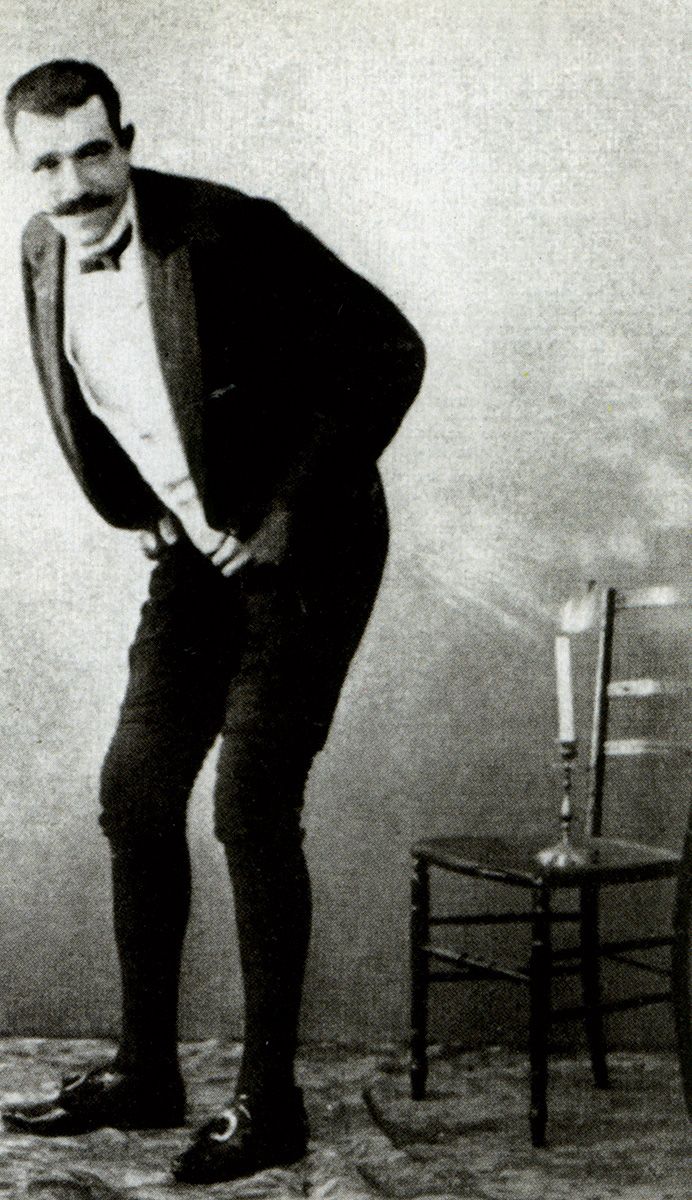
But for Montaigne, imagination is nothing but trouble. Impotence, every manner of psychosomatic disorder, even the tendency to fart, all are blamed on the dreaded imagination. ‘The organs that serve to discharge the bowels have their own dilations and contractions outside of the control of the wishes and contrary to them . . . Indeed I knew one [such organ] that is so turbulent and so intractable that for the last forty years it has compelled its master to break wind with every breath. So unremittingly constant is it in its tyranny that it is even now bringing him to his death.’ The implication is that the imagination works on the individual who wields it– or rather is wielded by it – in the same tyrannical fashion as the bizarre ‘organ’ located in the bottom acts upon its owner.

The French flatulist and entertainer Joseph Pujol, known as Le Pétomane.

The French flatulist Joseph Pujol, known as Le Pétomane.

What is strange in this essay is the to-ing and fro-ing between the pre-modern associations Montaigne makes with acts of witchcraft and other psychic and psychosomatic disturbances for which the imagination is blamed, and the task he sets himself as a writer. In a particularly lucid moment towards the end of the essay, we begin to hear the more familiar voice of the essayist at his best, extolling the virtues of brevity:

‘Some people urge me to write a chronicle of my own times. They consider that I view things with eyes less disturbed by passion than other men, and at closer range, because fortune has given me access to the heads of various factions. But they do not realise that I would not undertake the task for all the fame of Sallust; that I am a sworn foe to constraint, assiduity and perseverance; and that nothing is so foreign to me as an extended narrative.’


Tyrannical Prehension

Maurice Blanchot (1907-2003)

Maurice Blanchot (1907-2003)

Half-preparing a class for my MA module ‘The Creative Process’, but actually taking time to enjoy the material – something that happens far too infrequently these days, especially in busy October – I stumble across a strange passage in Blanchot, on something referred to, perplexingly, as Tyrannical Prehension. It sounds like a stomach disorder, but is, in fact, far more sinister:

‘Sometimes, when a man is holding a pencil, his hand won’t release it no matter how badly he wants to let it go. Instead, the hand tightens rather than open. The other hand intervenes more successfully, but then the hand which one might call sick makes a slow, tentative movement and tries to catch the departing object. The strange thing is the slowness of this movement. The hand moves in a tempo which is scarcely human: not that of a viable action, not that of a hope either, but rather the shadow of time, the hand being itself the shadow of a hand slipping ghostlike toward and object that has become its own shadow. This hand experiences, at certain moments, a very great need to seize: it must grasp the pencil, it has to. It receives an order, an imperious command. This phenomenon is known as “tyrannical prehension.”’

The urgency of writing, the need to write right now, becomes pathologised. But we write, according to Blanchot, only when we have already begun to write:

‘Writing begins with Orpheus’ gaze. And this gaze is the movement of desire that shatters the song’s destiny, that disrupts concern for it, and in this inspired and careless decision reaches the origin, consecrates the song. But in order to descend towards this instant, Orpheus has to possess the power of art already. This is to say: one writes only if one reaches that instant which nevertheless one can only approach in the space opened by the movement of writing. To write one has to write already. In this contradiction are situated the essence of writing, the snag in the experience, and inspiration’s leap.’

I find among my papers some notes I took from a lecture given by Hélène Cixous at Cardiff University ten years ago. The talk was called ‘The Unforeseeable’, and I remember enjoying it a lot. Ms Cixous was extremely elegant and spoke manicured English. She said that the title of her lecture referred to the unexpectedness of what one writes, which is unforeseeable, even to oneself.

You reach the point where the book, not the author, is writing the book.

With writing you go in one direction and find yourself forced in another direction.

But paradoxically, the strength of the writer lies in his or her helplessness. Why might this be?

She cited her friend Derrida as saying: ‘The work starts by itself.’ He used to say: ‘It’s started,’ when asked about a new piece of writing (rather than ‘I have started it’).

The book is unexpected, unforeseeable.

I’m not sure what to make of all this.

In another class this week, an undergraduate nonfiction class – not the MA class in which I discuss Blanchot – a student turns in a piece about trying to hold onto a pencil, against the odds, while a force beyond her control seizes control of the hand with which she tries to hold the pencil. This is very strange. Unaccountable coincidence or tyrannical prehension? Synchronicity? Unforeseeable, certainly.


Gabo and the drunks

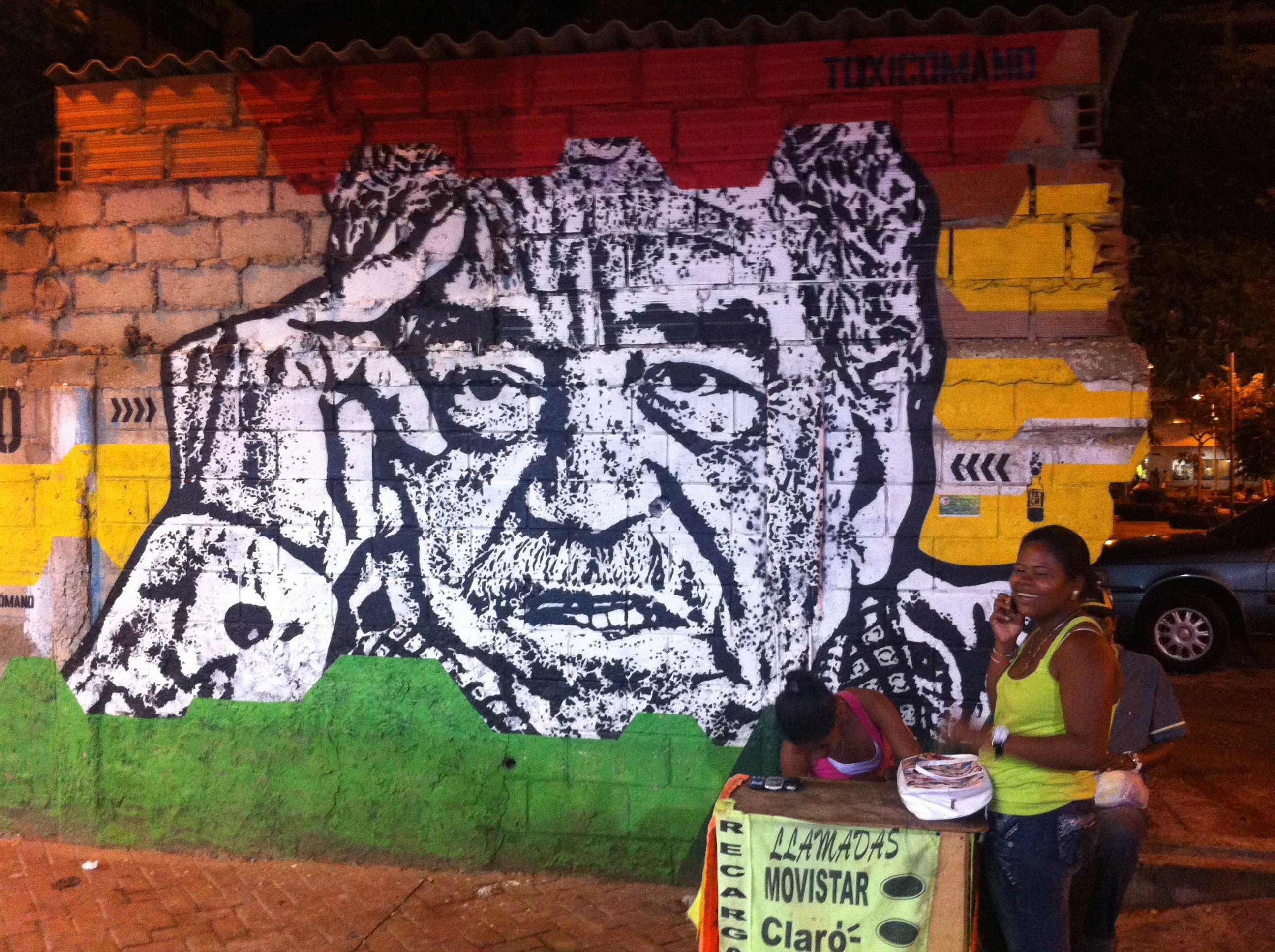
Wall painting, Cartagena.

Wall painting, Cartagena.

On Tuesday at five I do a reading in the library of the University of Cartagena – whose most famous alumnus was Gabriel García Márquez – and learn from one of the Profs that there is a crypt in the bar of the Santa Clara Hotel that appears in the author’s novel Love and Other Demons. The Santa Clara is in the old quarter, not far from the university. After a drink with the Profs I decide to go and investigate. The Santa Clara was once a convent, and has been converted into one of the most luxurious establishments in the city. A tribute to Gabo by Boyd Tonkin puts it thus:

‘The lovely 16th-century convent, once also a hospital, has a crypt. In 1994, by then living again in the city of his youth and his dreams, Garcia Marquez published Of Love and Other Demons. That novel, as much an impassioned evocation of Cartagena as the better-known Love in the Time of Cholera, tells of a young journalist sent in 1949 to the newly excavated site of Santa Clara. He has to investigate the miraculous skeleton of a child marquise, dead 200 years but now exhumed with a 22m “stream of living hair the intense colour of copper”. A mood of febrile gothic menace pervades the tale, although the walled city it conjures up could hardly be more topographically exact . . .’

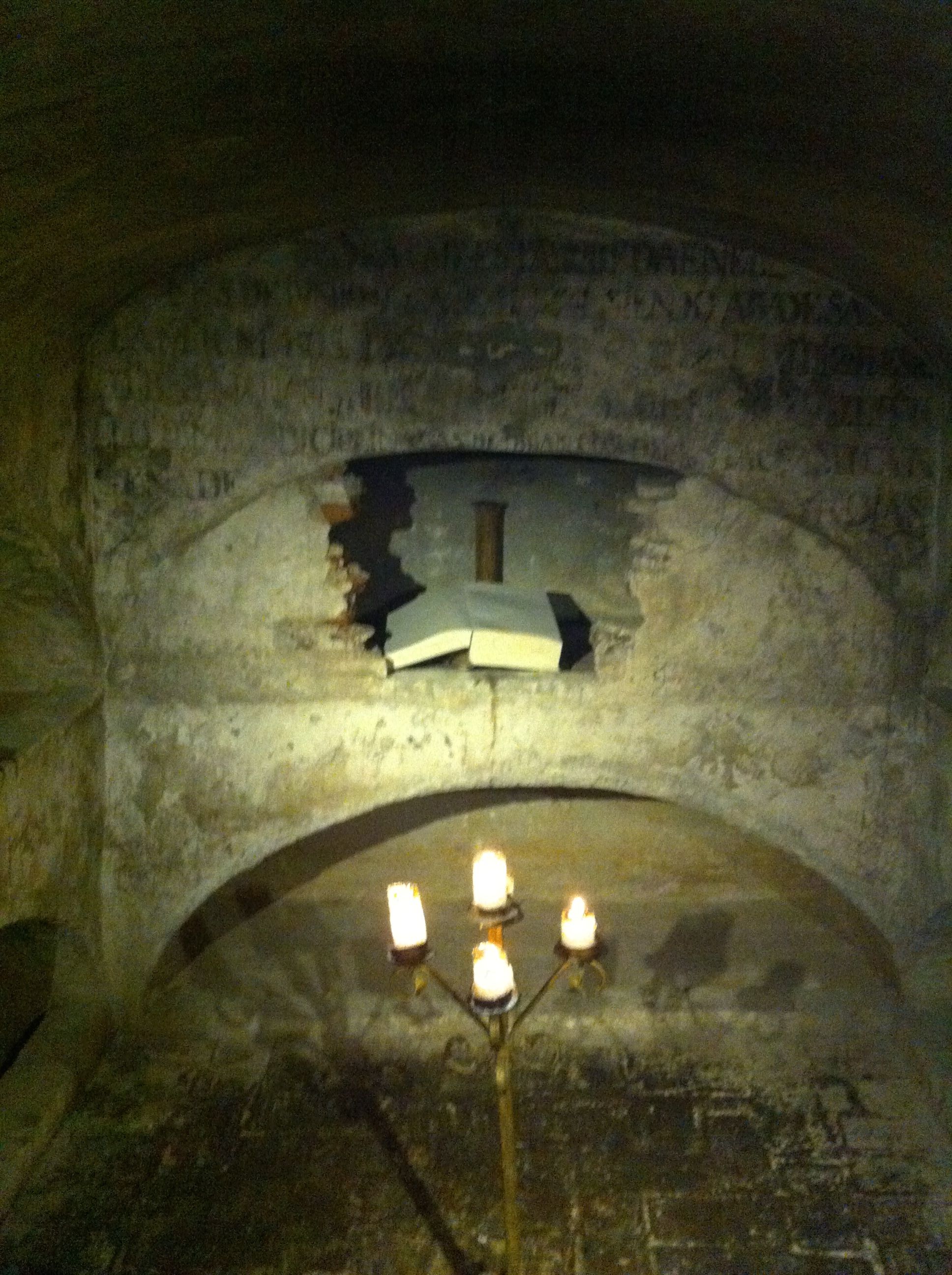
When I arrive at the Santa Clara, a white-coated lackey, with top hat to match, opens the door for me. I tell him I’ve come to see the famous crypt. He shows me it. Here it is.

Crypt in the bar of the Santa Clara Hotel Cartagena

Crypt in the bar of the Santa Clara Hotel Cartagena

The drinks in the Santa Clara are Chelsea prices. But the bar is vast and cool, so I sit there for a while and soak in the wealth. When I leave, I pass other, smaller, boutique hotels and very chic eateries with exotic names. I walk past a group of six young English tourists – three of each gender – who resemble the cast of, well, Made in Chelsea. ‘Oh don’t let’s do the walking game, Fiona,’ says a boy with a kiss curl. He wants to sit down. Fiona wants to go on, see if they can find somewhere more to her liking. I wander down the street a while, marvelling at the extent this part of town has been gentrified. I return past the group. They have sat down. The boy with the kiss curl has got his way.

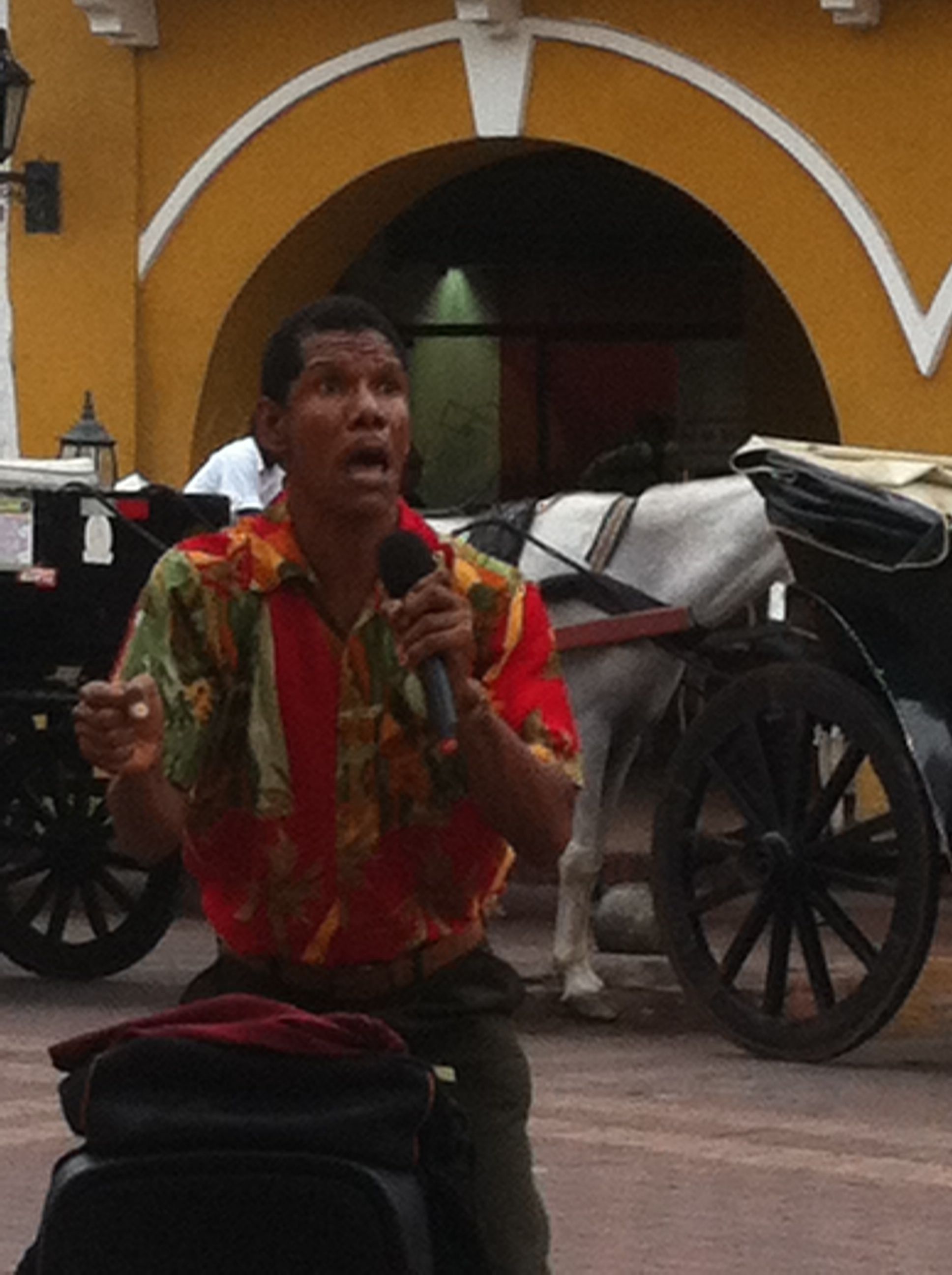
Manic Street Preacher, Cartagena

Manic Street Preacher, Cartagena

When I wander into Getsemaní, the difference is striking. There is much more shit in the street. More dogs too. The square at La Santisima Trinidad is packed with a different sort of company: Colombians – both locals and tourists – and budget backpackers. Perhaps a few middle aged men, like me, with nostalgie de la boue.

On the southwest corner of the Plaza a man sits outside a bar. A discreet bar, I might add, which looks kind of empty. I’ve seen the man sitting here before. I couldn’t help but notice him. He bears a keen resemblance to Leonardo di Caprio. He sits outside in an armchair, pulling on a fat cigar. At his feet lies a British Bulldog. The dog looks like he might fancy a cigar as well.

We nod a greeting to each other the second time I pass. The third time I stop and speak to him.

‘Are you the owner, or do you just look like it?’

He smiles. ‘I am the owner, yes.’ He is of medium build, blonde hair with a side parting, friendly face, perhaps too innocent looking for this game, but I might be mistaken. He stands up to shake my hand.

‘Hi, I’m Nicholas. Pleased to meet you.’ The accent is very slight, Nordic, possibly German, but possibly Swedish.

‘Richard. And who is your friend?’ I gesture down at the pooch.

‘Ha ha. He is my partner. His name is Socio. Which in Spanish means partner.’

‘How old is he?’

‘Five years.’

‘How does he handle the heat?’

‘He does OK.’

I want to ask what the local strays make of Socio, but it’s too early for that.

‘Looks like a nice bar,’ I say. ‘Thanks,’ he says. I peer inside. There are three tourist on stools at the bar. I’ve been past here half a dozen times and it’s the first time I’ve seen anyone inside.

‘I’ll come and have a drink, but need to get some food first.’

‘Ah, we do food normally, but with this electricity cut, it’s not possible.’

‘That’s okay. I’ll see you later’

I go to eat at Trattoria di Silvio, at a table on the pavement across the narrow street, fifty metres up from the square. I have just finished my pizza when the second electricity cut of the evening strikes. You can’t see much at all. I have a candle at my table. The three Portuguese at the next table do not and are still eating so I pass them my candle. A few minutes later the waitress brings me another. Nicholas walks past with Socio. I wave at him and he calls back a valediction. I guess the second power failure has proved too much for him. Pity. I would have liked to have heard his story.

Like the other up-market bar across the square, his business is unlikely to fare well while the shop next door sells beer for 2,000 pesos (60p) and half bottles of rum or aguardiente for a couple of quid apiece. But if, as seems likely, Getsemaní eventually becomes more gentrified, following the lead of the historic centre, Nicholas will be in business. At the moment that seems a long way off.

I sit on the edge of the square and soak in the spirit of the place. The smell of marihuana sits heavy on the air. I will be leaving Cartagena in the morning. Three old aguardiente drinkers sit to my right. The black one has two teeth, perched at opposite corners of his mouth. He laughs wheezily and without cease, and on one occasion bursts into raucous song, which his two companions applaud ecstatically. The thinnest one – they are all three skin and bone, but this one is so thin he could snap – is shaped like a question mark and drags his foot when he moves, in the manner of someone with terminal liver disease. He calls out every few minutes for música música, looking around the square desperately to see whether his plea will be heeded in some quarter; and the third, the most desperate of these three musketeers, is too far gone to do anything but gurn like a cretin at the world passing by – if indeed he can see it. The three eventually stagger off into the night, moving with extreme difficulty, as though struggling against the tide of life, towards a sea of oblivion. I have a sudden vision of Macbeth’s three witches, and imagine the crones reincarnated as these three Caribbean drunks, wrecked beyond pity or purpose.


‘Story’, by Rómulo Bustos Aguirre

Story

I ask myself: why write poetry?

And from some place in the mysterious forest

(in that other story that I am trying in vain

to write with this poem)

the wolf replies

moving his bushy tail Socratically:

– The better to know you.


Cuento

Me pregunto: ¿Por qué escribo poesía?

Y desde algún lugar del misterioso bosque

(de ese otro cuento que en vano estoy tratando

de escribir en este poema)

responde el lobo

moviendo socrático la peluda cola:

– Para conocerte mejor


Copyright with the author

Necktie


She is talking

about the violence

in her country

while peeling

an orange

these guys

she says

are not assassins

they are artists

of death

they slit the throat

(she gestures)

and pull the tongue

out front

like so

they call it

the necktie.


Cartagena, the Inquisition and slavery, all in a day

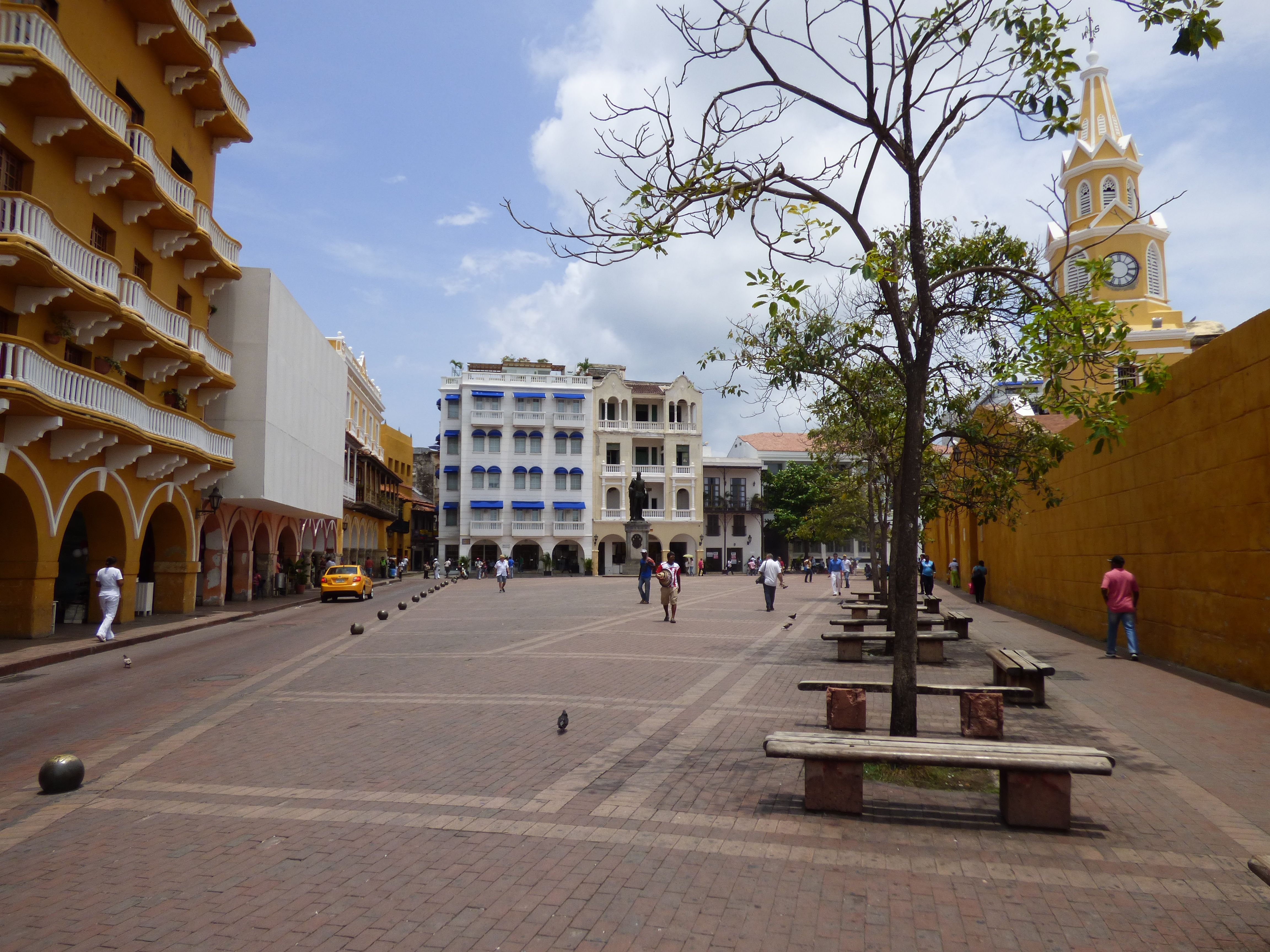
Cartagena square


On my second evening in Cartagena I take a stroll around the old walled city, which despite its colonial style and nostalgic elegance is sadly heading in the same direction as every other tourist destination in the developing world. The old triangular square that contained the slave market for over 200 years is now used by the descendants of those slaves working in the sex trade (female, as far as I could determine but, I have been informed, you can never be sure until the moment of truth). They congregate in little groups and totter around on heels, checking mobile phones sheathed in brightly coloured holders.

But even watching the rituals of the night unfold can be exhausting in this heat, so I head back to my small hotel in Getsemaní, just outside the old walls.

I arrived the day before yesterday and had been in Cartagena for three hours and been through as many changes of shirt. The air was like hot soup, and, once settled in my room, with the air-conditioning finally working, I foolishly left my haven to wade through the soup on a shopping mission. I went to one of the many stalls selling phones and electrical accessories in Getsemaní market to buy batteries. The girl serving me broke into a smile, told me to wait, and went to the back of the shop, returning with half a dozen tissues, gesticulating towards my face. I thanked her nervously. I remember that I was once referred to as a ‘sweaty Welshman’, but that was a scurrilous euphemism and I do not think I perspire more freely than most. But this heat is something else.

And air-conditioning, for all its ecological hazards, is a blessing. Last night I stayed up writing and at 2.30 a.m. stepped out onto the veranda running past my room to be wrapped at once in sweetly florid heat. The flowers and creeping plants had taken over the air, and the streets outside were silent apart from the barking of an insomniac dog.

This is the Caribbean, and there is a more laid-back and open attitude among the locals than one generally finds among the rather dour highlanders in Bogotá. People are immediately welcoming, and this is done in such an entirely guileless way that early suspicions are soon erased. A young man wants to show me where to get a charger for my camera: he leads me down an alley, across a park, into a shopping mall, introduces me to the shopkeeper and then leaves, shaking my hand and wishing me well.


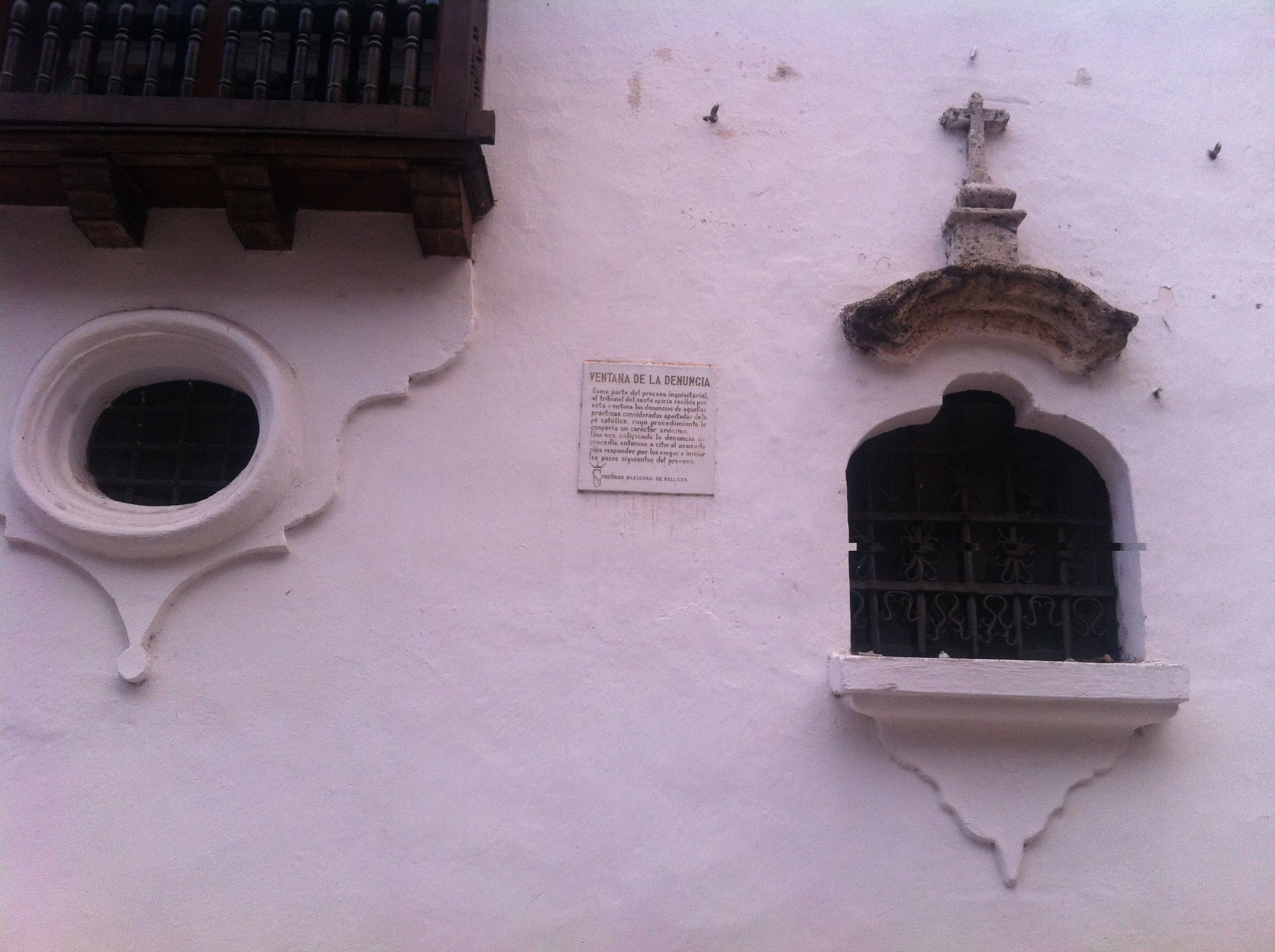
cartagena window


On my first evening, strolling in the old town, I had noticed a strange little window in the side of an old palace. An inscription plate informed me it was at this spot that informers could report the misdeeds of their neighbours to the inquisitors, for this was the Palace of the Inquisition. So, any grudge against the person next door, I imagine – or if one’s cow stops giving milk, for instance – might be twisted into an accusation of witchcraft. The next day I visit the museum that now occupies the Palace. It is a chamber of horrors, peculiarly filtered through rhetoric which claims that the Inquisitors were nicer to people here than they were elsewhere, and that although their methods were not always pleasant, their ultimate intention was a good one: to help heretics make peace with god before meeting with him in person. My guide book tells me that over 800 were executed by the Inquisition between 1776 and 1821. The museum information mitigates this by saying that ‘only five’ heretics were burnt to death and the ‘the Inquisition did not oppress the Indigenous population.’

The commonest accusations were concerned with heresy and specifically, witchcraft. A list of the 33 questions routinely asked in the interrogation of suspect witches hangs on the wall of the museum. Examples include: ‘What animals have you killed or put under a curse and why have you done it? ‘On which children have you cast the spell of the evil eye, and why have you done it?’ ‘Why does the devil strike you blows at night?’ ‘How do you fly through the air at night?’ I am not a lawyer, but I believe that these might be termed leading questions.

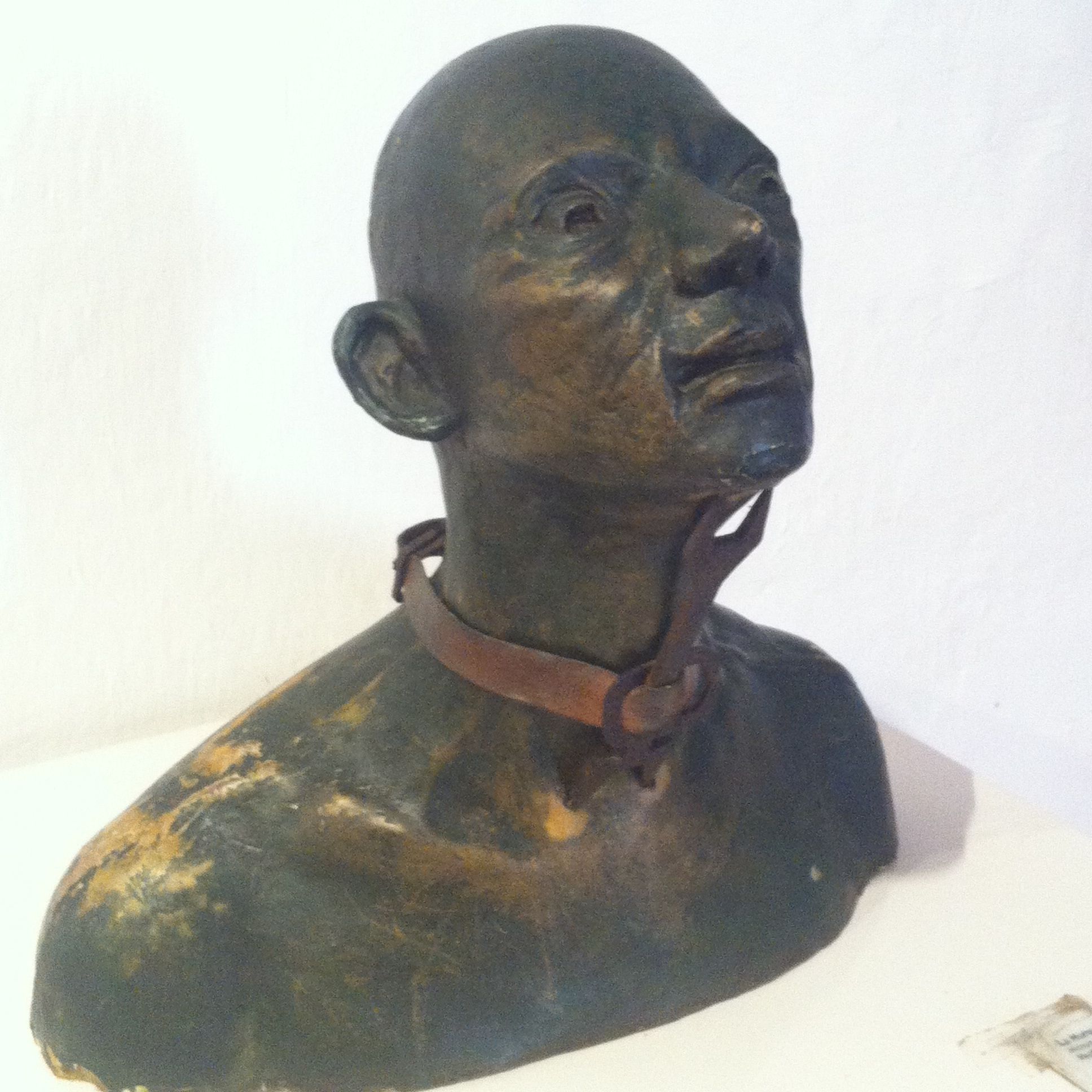
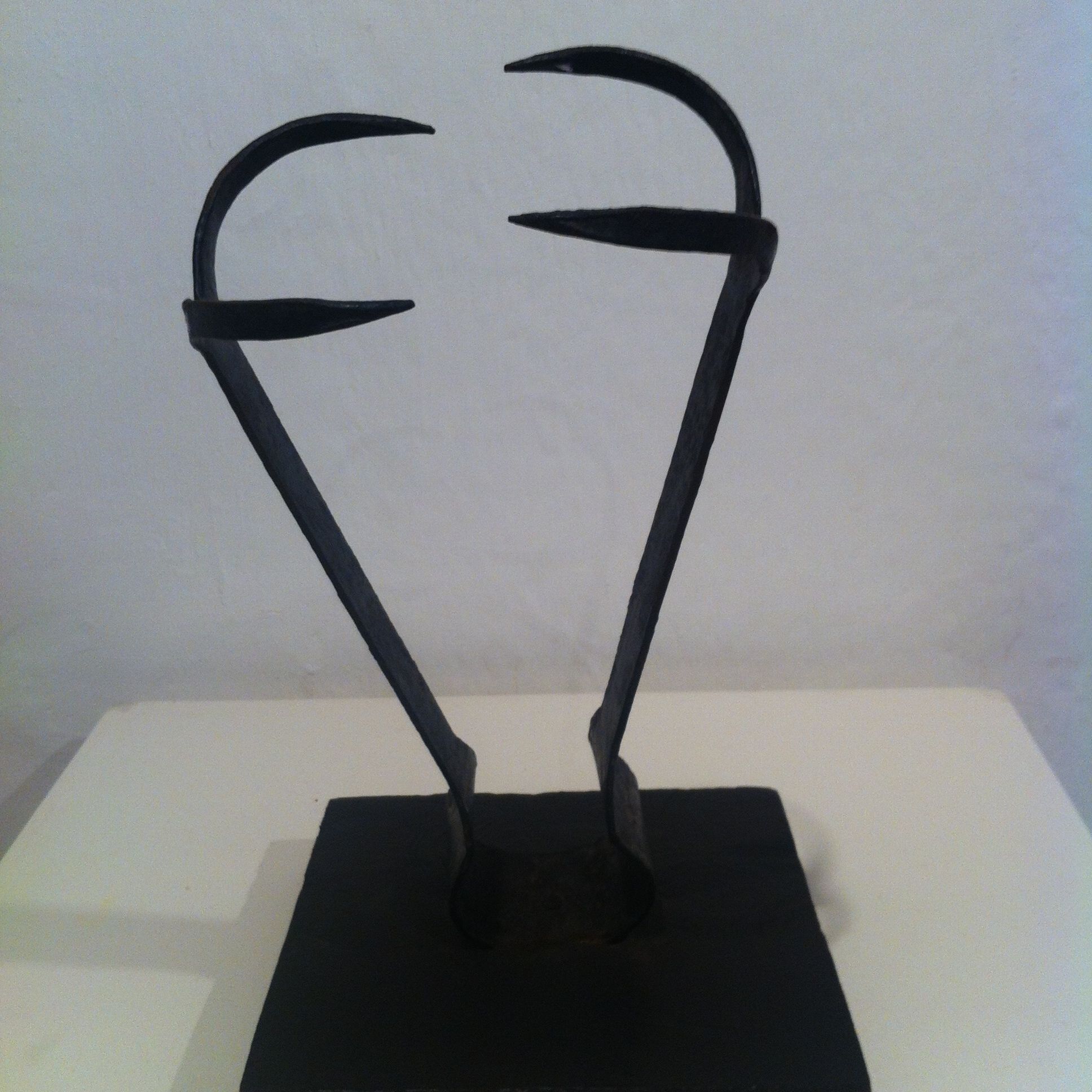
Some of the instruments of torture used to extract confessions are also on display. They include the two devices shown below. The first, called in Spanish the Fork of Heresy, prohibited all movement of the head but offered the victim the chance to murmur his or her confession; the second, an invention horribly called the ‘Breast Piercer’, was used on women ‘who had committed heresy, blasphemy, adultery, or other libidinous acts such as provoking abortions, practising erotic magic and other crimes.’


La Horquilla del Hereje

La Horquilla del Hereje


El desgarrador de Senos

El desgarrador de Senos


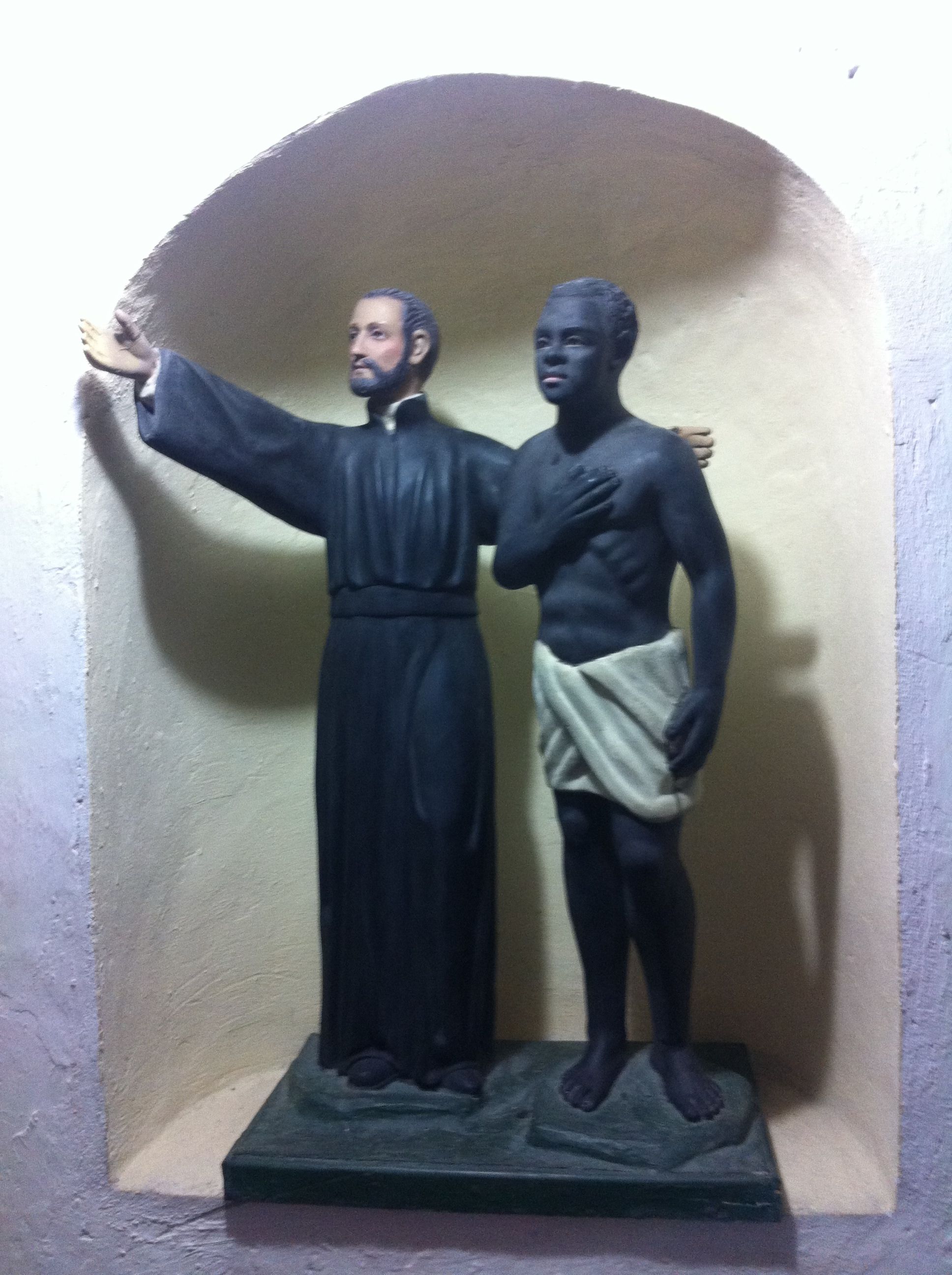
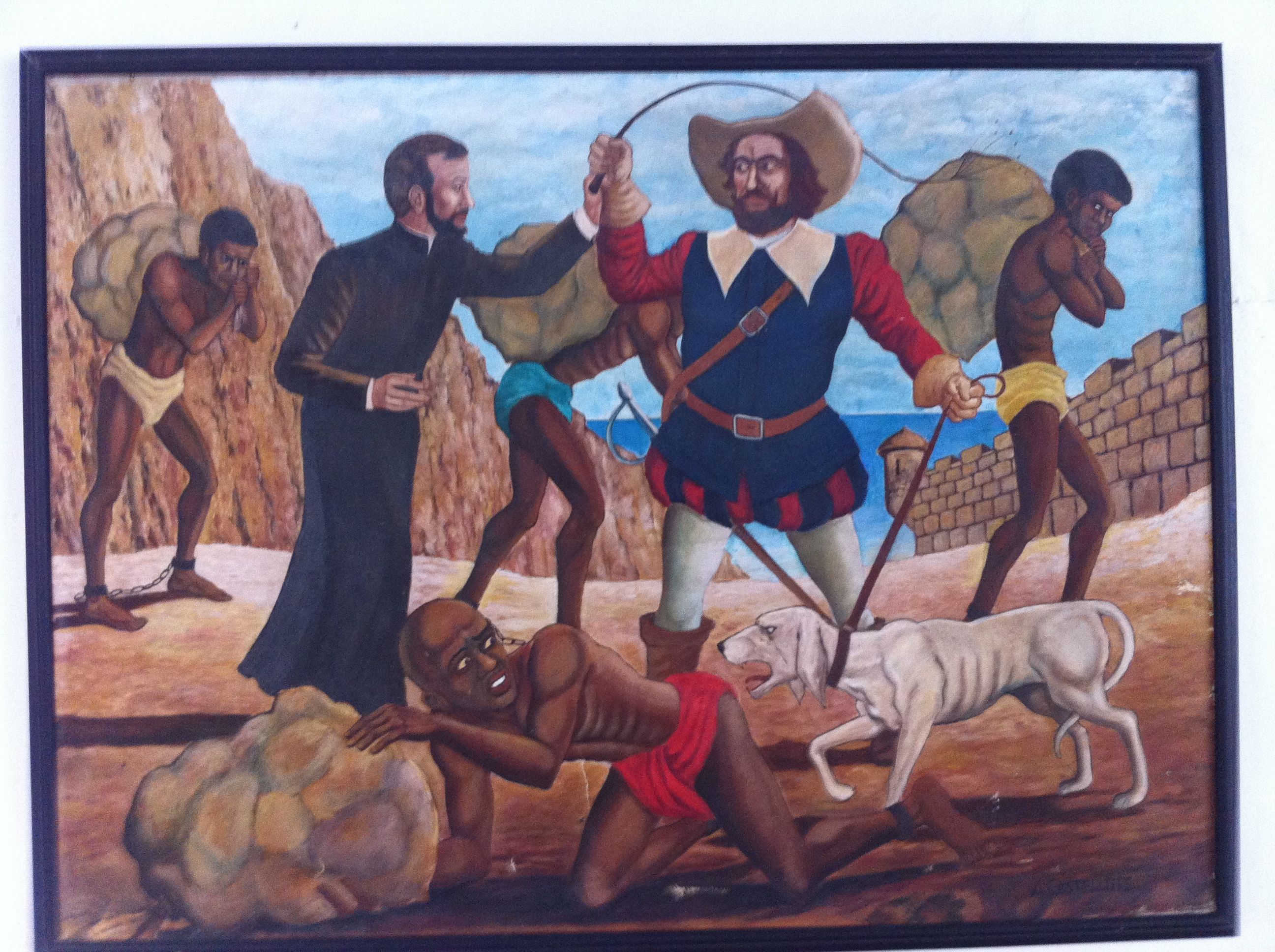
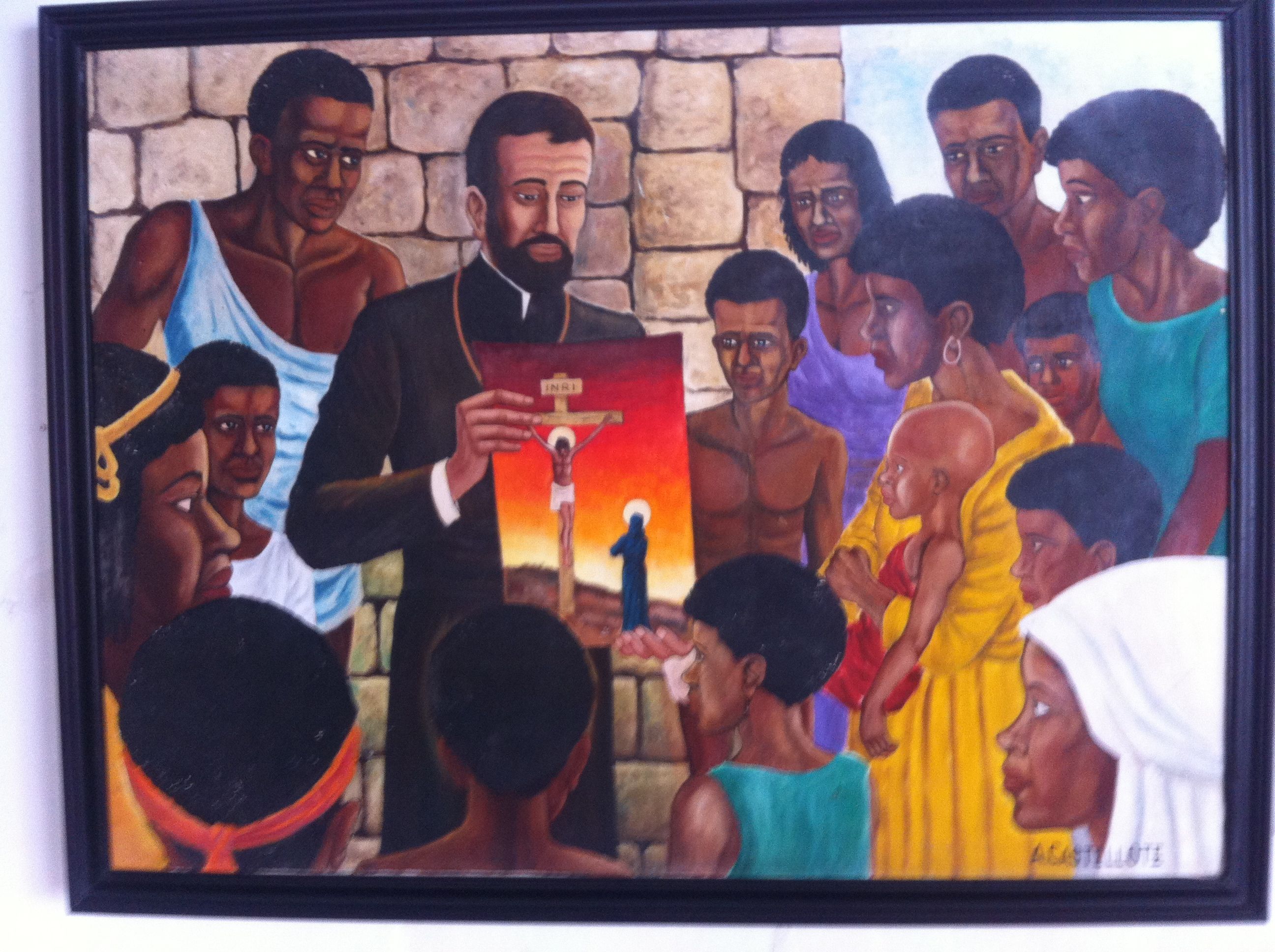
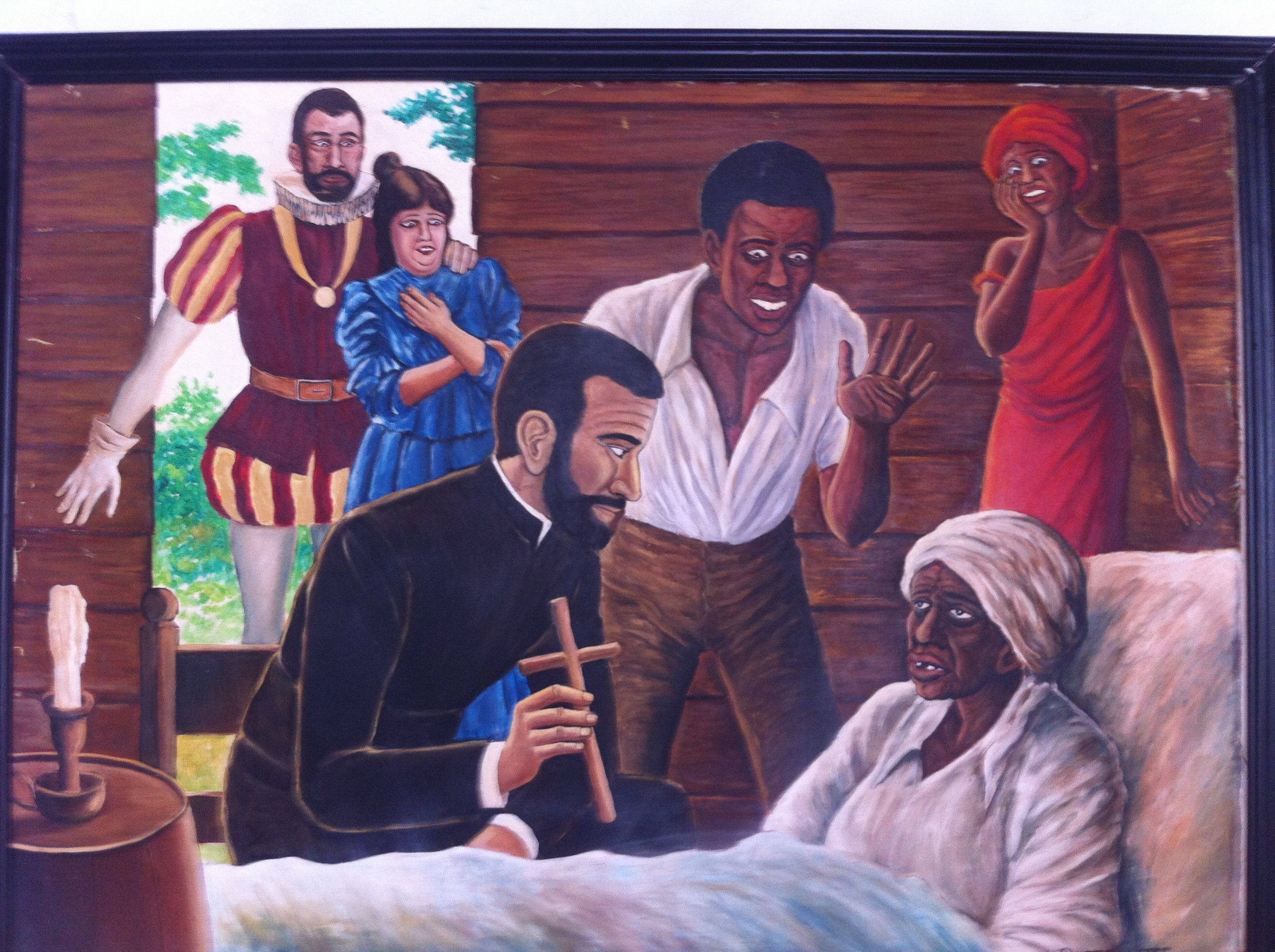
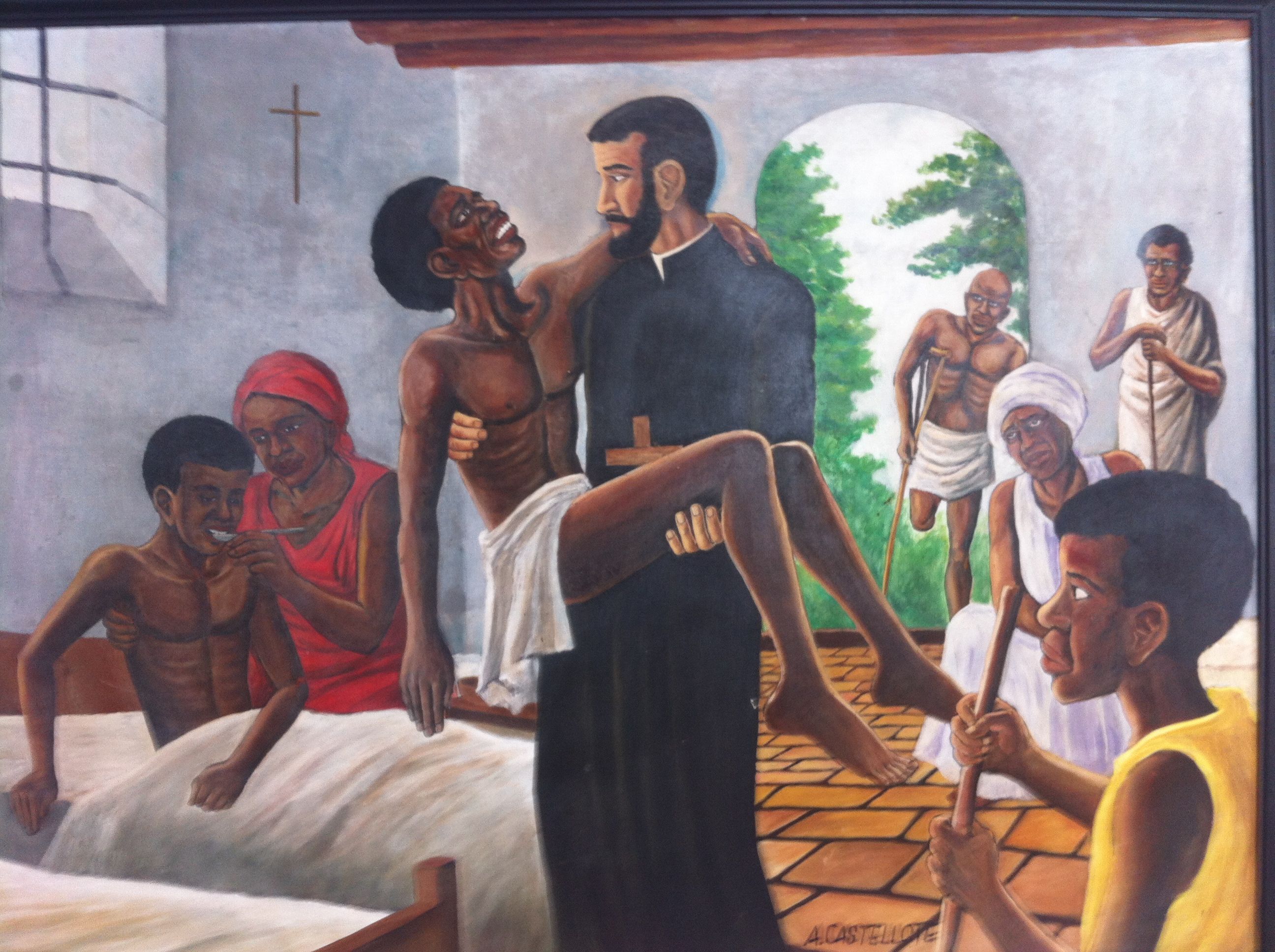
As though to cleanse myself of these horrors, I wander down to the Convent of the good priest San Pedro Claver. For almost forty years, this Jesuit from the Catalan village of Verdú, a contemporary of Shakespeare and Cervantes, worked in Cartagena, apparently defending, protecting and nursing newly arrived African slaves in the city. His munificence was legendary, at a time when black people were regarded as little more than beasts of burden by their dealers and owners. Here he is, the great white guardian, a placebo against all the terrors and ignominies of slavery:


San Pedro Claver, Catalan Saint

San Pedro Claver, Catalan Saint, and friend.


The museum that honours him in the old convent reconstructs his modest cell, his living quarters, and houses an exhibition of the most terrible paintings imaginable – so terrible they are fascinating – celebrating his good deeds among the slave population – who are here depicted as almost imbecilic caricatures:


Cartagena Pedro 1


Cartagena Pedro 2

Cartagena Pedro 3

Cartagena Pedro 4


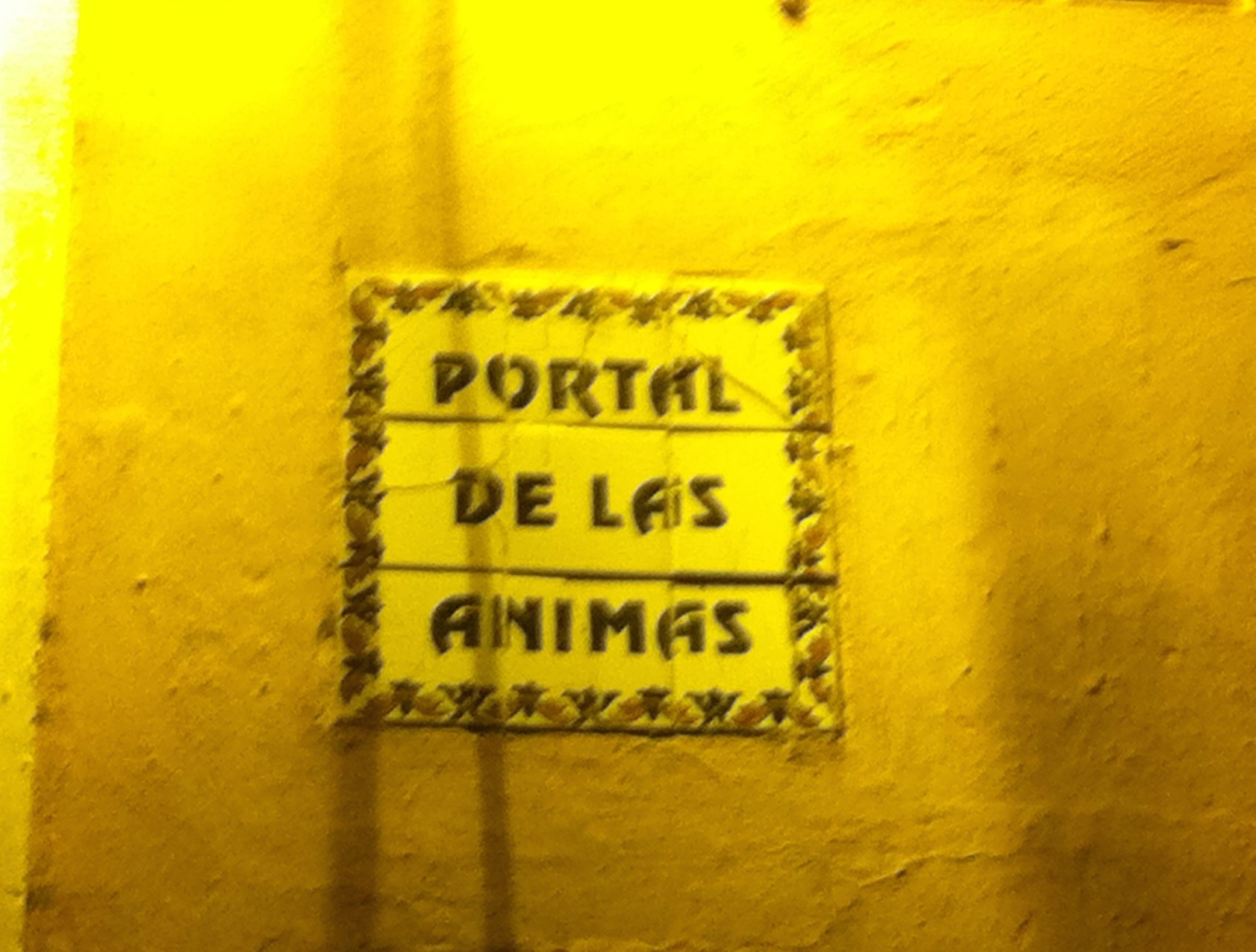
But at least there is a way out. On a wall, apparently unrelated to anything around it, I find the sign ‘Portal de las Animas’: Portal of Souls. Now, where’s the damn switch . . .


Cartagena portal 2


Bolívar Square

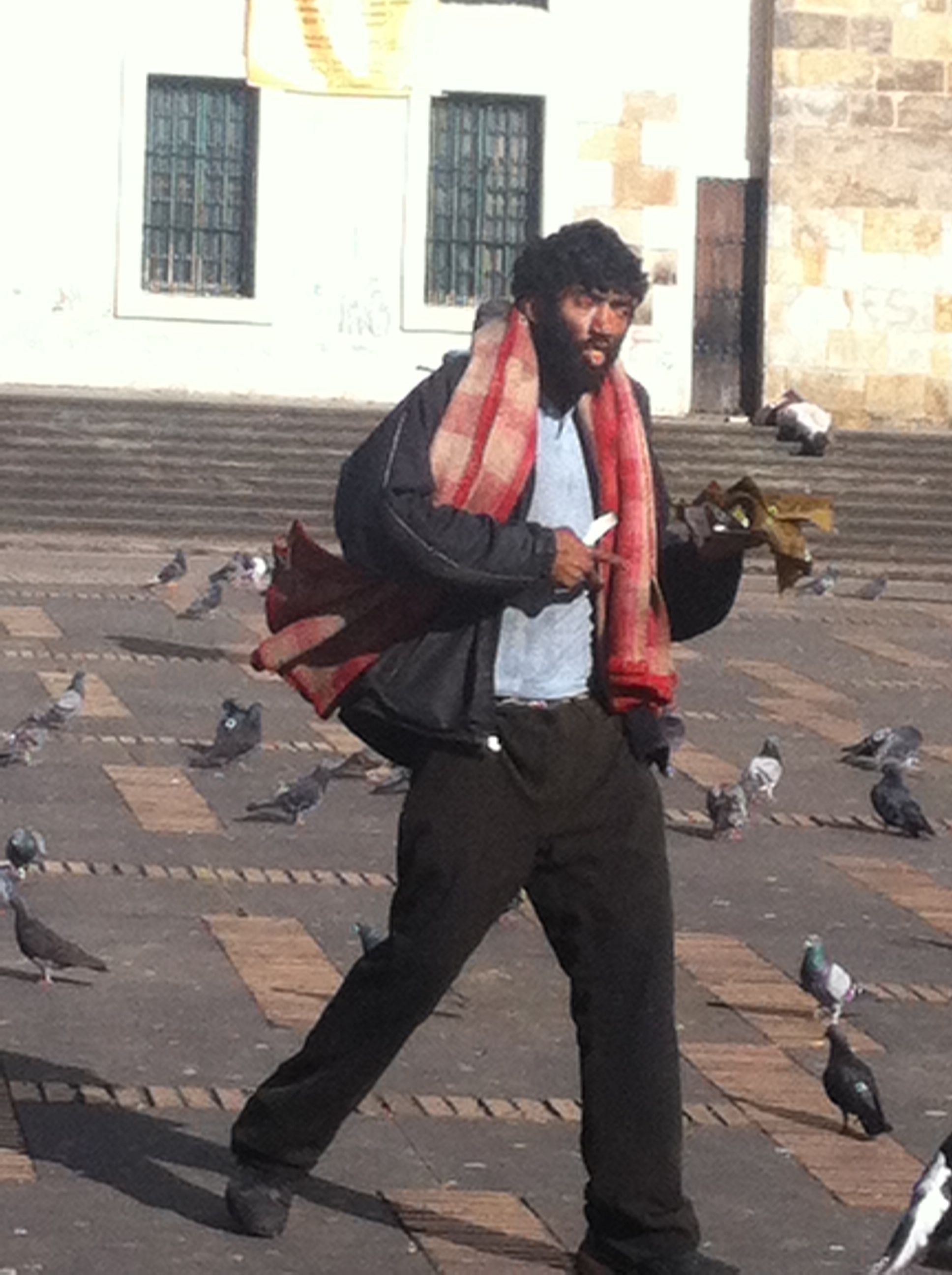
Bogota homeless man


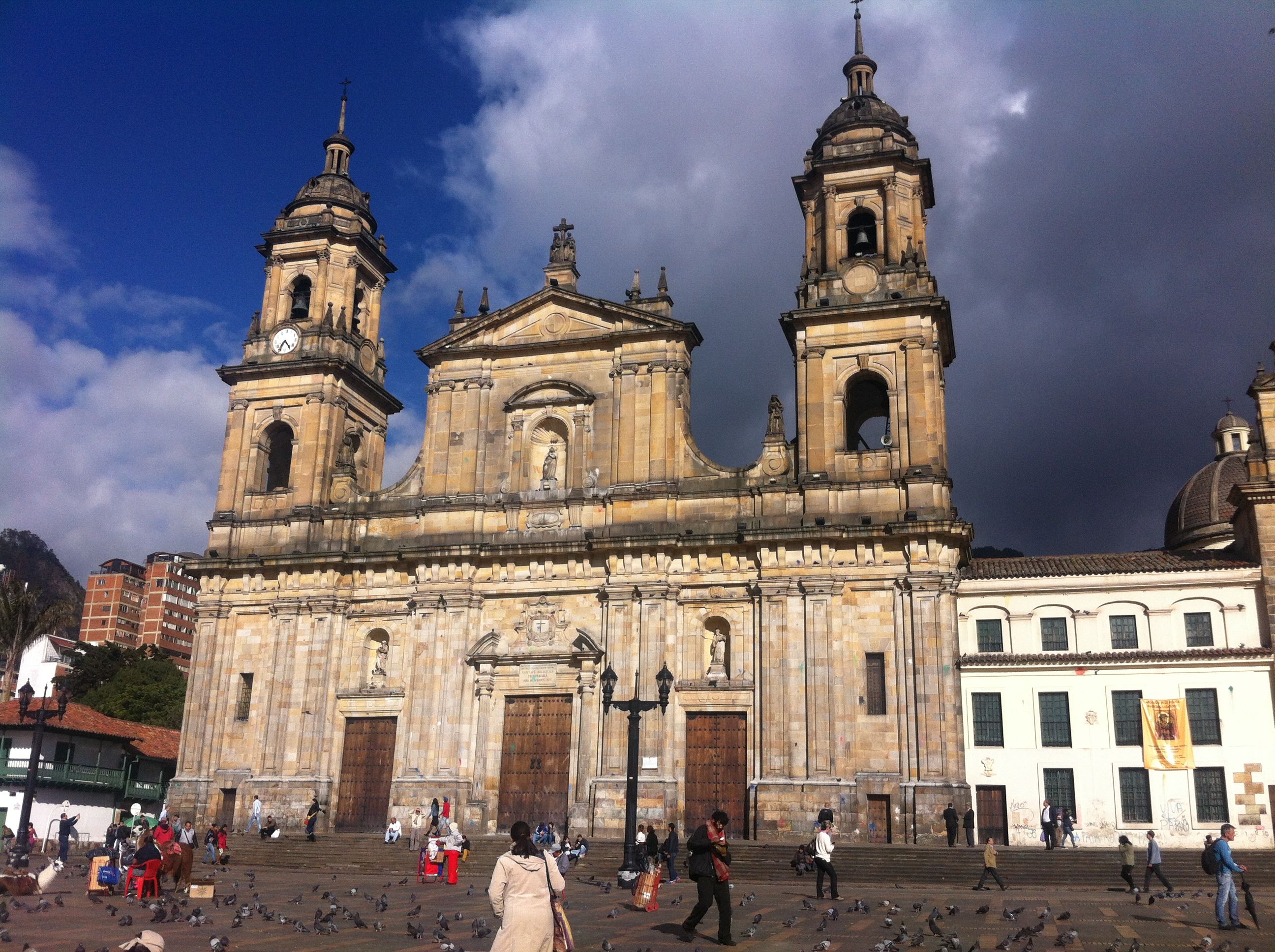
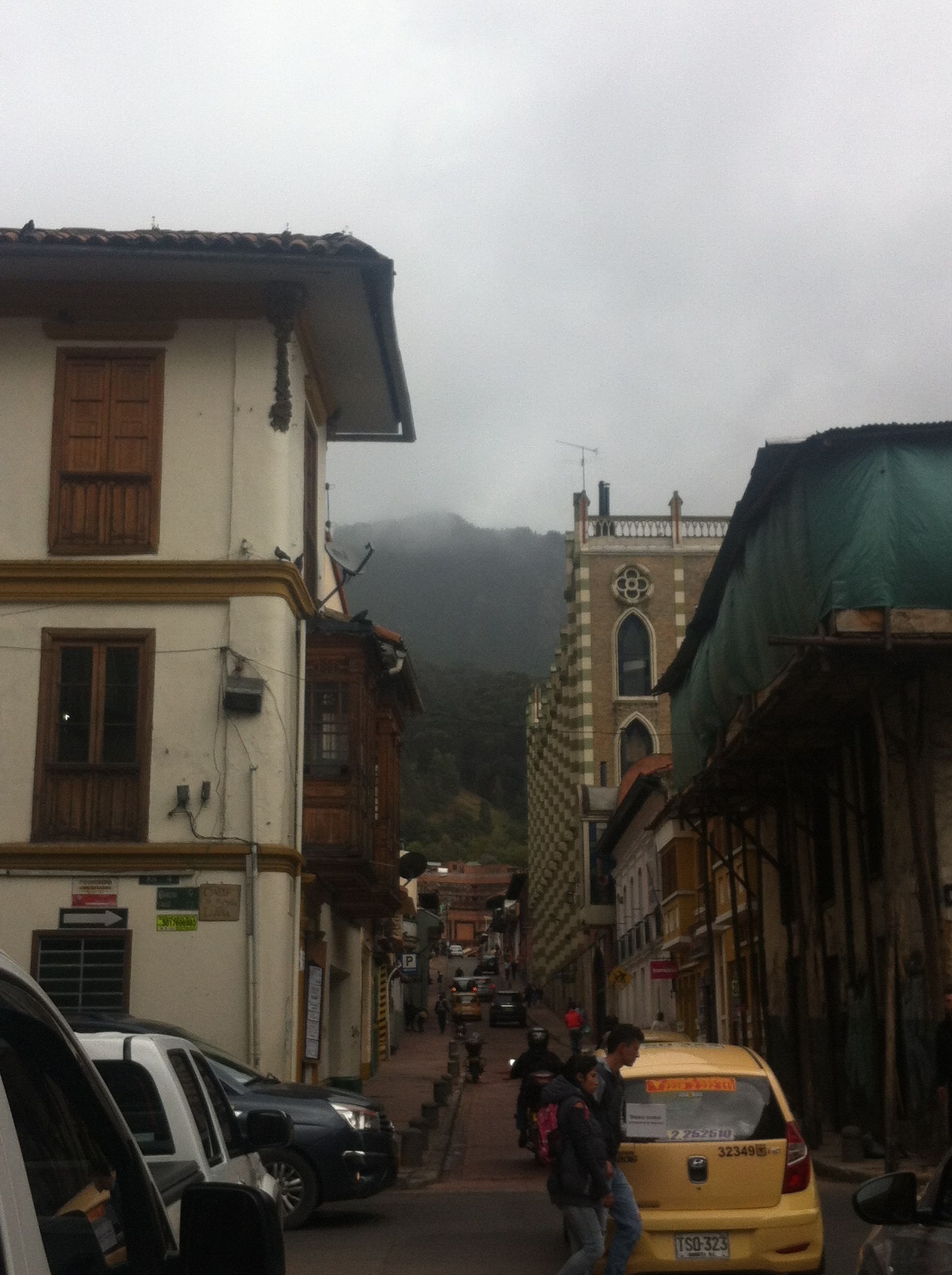
I caught sight of this man crossing the Plaza de Bolívar, and from a distance something looked very wrong. He had a strange loping gait, and was clutching a small white ticket in his right hand, and what looked like sheets of parchment in his left. I am sure they were not sheets of parchment, but they could have been, in another story. His eyes were gone, into the lost territories of the crack addict or the madman. I had the sensation that something or someone was speaking to him, and he was attempting to respond, talking aloud, although not shouting, and waving the sheets of parchment as though they had a particular meaning. He seemed accustomed to the fact that people turn away from in the street, and dogs follow him nervously, but no longer paid it any mind. Like many homeless people in Bogotá he lives mainly off the things he finds in refuse bins, eating food that people have thrown away, searching the same street or group of streets again and again in the course of the day, occasionally confronting an intruder on his territory, at which point the two will face off, possibly come to blows, and then one will shuffle off. I saw this happen earlier in a park at the top of Avenida Jímenez, where the San Francisco river once came down from the mountain and is now channelled via a concrete waterway, where it accumulates debris and rubbish and plastic bags, and is left that way. The mountain beyond is nearly always covered in mist. The weather is complicated, and the late afternoon and evening, inexplicably, is colder than the night.

bogota cathedral


Bogota up the hill